Tag: mobile app design

  • Hybrid vs Native Mobile App Development, Which is better

    Hybrid vs Native Mobile App Development, Which is better

    Hybrid vs Native Mobile App Development,

    For those of you who want to build a mobile app for your business, you may have come across some different options during your preliminary research.You realized that not all development methods are the same and you have a couple of different ways to approach development.Hybrid vs. native.Which one is better?

    mobile app development in australia

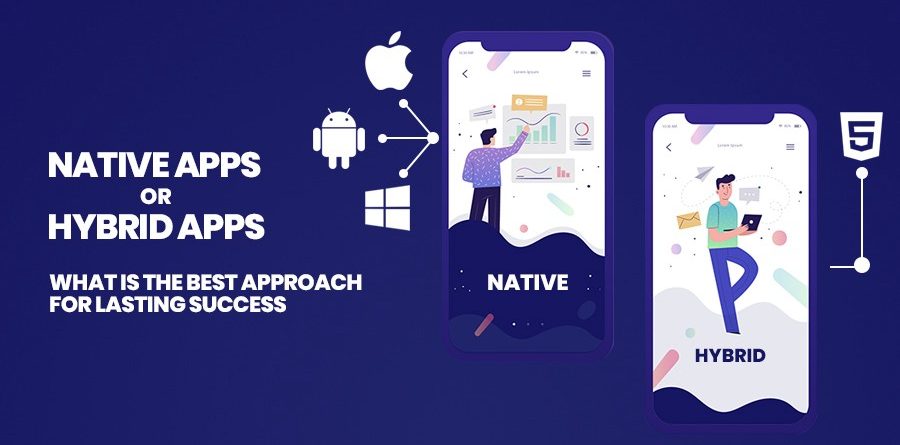
    As an industry expert who has built both types of mobile apps and helped other people do the same, I can give you the information that you need to decide for yourself.The truth is, there’s not a black and white answer here.Since everyone has a unique situation, you’ll have to decide for yourself.First, let’s me explain exactly what these two different terms mean.Native apps are developed for a specific operating system.

    Therefore, they follow certain guidelines that ultimately enhance the user experience.People who use the app can typically navigate through the app faster.It’s also easier for native apps to access some of the built in components of the user’s device, such as the camera, GPS, or contacts list.Hybrid apps look and function the same way as a native app, but it’s built on the web using JavaScript and HTML5.

    They can work on multiple platforms since they are written using just one programming language.So before you start building your app, you’ll have to decide which one of these two routes you’re going to take.It’s an important decision that can impact how consumers react to their experience using your app.

    But only recent technology has allowed them to advance from both the developer and user perspectives.I’ll go into some greater detail about both types of apps to help you make an educated decision.

    Native Mobile App DevelopmentDrawbacks of native apps

    So earlier I briefly discussed some of the positive aspects of developing a native app.With that in mind, there are definitely some drawbacks of going this route as well.Here are some of the negative associations with native apps.

    Only work on one operating system

    When you’re building a native app, you have to decide which operating system you’re going to launch on.You can develop an Android app for the Google Play Store or build an iOS app for the Apple App Store.So if you want to launch a native app on both platforms, you’ll have to develop the entire thing twice.You’ll have to start from scratch with coding and development if you plan to launch on the Android platform after building an iOS app.

    With all of the time, effort, and money involved with app development – it can end up taking years for you to get your native app launched and functioning on both platforms.It’s a tough way to get a fast return on your significant investment that way, but we’ll talk more about the costs associated with development later.If you’re forced to make a decision between the two platforms, it could make or break the success of your app.

    There are distinct differences in the demographic characteristics between iOS and Android users.Launching on a platform that doesn’t speak to your target audience can drastically impact your customer acquisition cost.If that number is too high, it could put your company in jeopardy of going out of business.To minimize that risk, you’ll have to do extensive marketing research to figure out which operating system is better for your brand’s image.It’s not a simple process.

    Native Mobile App Development

    Takes a long time to code

    There’s only one way to build native apps.Do you know how to write code for mobile apps?Most people don’t.So you’ve got some different options to consider here as well.You can take the time and learn how to code yourself.How hard can it be, right?While I admire your ambition, I wouldn’t suggest this route.It’s not rocket science, but it’s not easy either.Learning this new skill will take a long time and then actually writing the code will take even longer.Plus if you learn the basics of coding and want to develop the app yourself, it’s going to be pretty limited and definitely have some bugs and glitches.

    Trust me – I know from experience.So if you’re not going to code the app yourself, you’ll need to hire someone to do it for you.But that’s not an overnight process.Whether you hire a freelance developer, small development shop, or large company to build the app for you, the code will take them a long time to write as well.Here’s an example from the Codementor.Based on their estimations, it could take up to 985 hours to write code for an app that’s similar to Instagram.

    Assuming the person or company you hire spends 8 hours a day for 5 days a week working on this (which they won’t, because they have other projects to do as well), it would take about 25 weeks to finish.This estimation doesn’t include any administrative dashboard features or UI/UX designs, which would bring the total estimated time up to 1220 hours.

    That’s over 30 weeks to develop.Again, that’s assuming your developer works solely on your app during the entire duration of their work week, which is highly unlikely.In reality, this would probably take closer to a year to get built.And that’s just on one platform.This is definitely not an ideal scenario for everyone.This timeline can obviously vary based on the complexity of your app design, which means it could take even longer to code.

    Require complicated maintenance

    Launching an app isn’t over once development is finished.You’ve got to maintain the app to keep it functional and give users an optimal experience.As we saw in that graphic earlier, negative experiences with an app’s performance can cause nearly half of users to use the app less frequently and 34% of people to switch to another app completely.

    So you can’t neglect regular app maintenance.The problem with this maintenance is that it’s not easy, especially if you have a more complicated app.We just talked about how long it takes to code an app, well how do you think changes get made?So this takes even more time if the code is complex.It will leave your app more vulnerable to glitches that last longer because they can’t get found and fixed right away.Take a look at how much it will cost you to perform maintenance on your native app in just the first year, on average.

    So the burden of dumping money into your app isn’t over after development either.Almost 20% of native apps cost over $25,000 in maintenance in the first year of the launch date.Numbers that high can’t be ignored.The reason for this is because of the complexity involved in the process.

    Hybrid app development australiaComplicated and specialized code languages

    Let’s piggyback off of our last couple points.Building a native app also requires you to learn specialized code languages.What do I mean by this?Basically, the majority of the terms you’re going to hear throughout the process are words and phrases that you’ve never heard before – unless you’re an experienced developer.This complicates things even more.

    It creates a language barrier between the developer and the client (you).There ends up being a learning curve for you to even be able to communicate your wants and needs to the developer.This also goes back to what I was saying earlier about learning how to code the app yourself.You’ve got to add a new arsenal of terms to your vocabulary before you get started.

    EXPENSIVE

    If you look back at everything we just talked about regarding the pitfalls of native apps, they are all leading towards one common denominator.Building a native app is expensive.There’s really no other way to put it.If you’re hiring a developer in Australia, you can expect to pay around $100 per hour for their services.That’s $100 per hour for what could be over a year of development.Not cheap.Plus, we just saw that regular maintenance of your app could cost up to an additional $25,000 per year.

    While major corporations may be able to afford this, these figures just aren’t reasonable for most people and small businesses.Furthermore, these numbers are limited to just one operating system.So you can expect to pay even more than that if you’re planning to develop, launch, and maintain an app on both the Google Play Store and Apple App Store.

    If you thought that building your first app on the iOS platform was expensive, just wait until you go through the Android process.Android apps cost about 30% more to develop than iOS apps.That doesn’t mean you can just ignore the Android software because of the price.While the split between Android and iOS mobile users in the United States is relatively even, Android dominates the global market share, owning about 80% to 90% of users.So if you’re planning to develop a native app, you can expect to pay big bucks.

    Benefits of Hybrid apps

    While hybrid apps aren’t perfect, there is plenty of upside to developing an app this way.Hybrid apps shine in the areas where we saw some pitfalls with native app development.Here are some more details about this method.

    Work on every operating system

    Unlike its native counterparts, hybrid apps work on both iOS and Android operating systems.Which means you won’t have to build the same app twice if you want your app to be available on both the Apple App Store and Google Play Store.This is huge.We just finished discussing the importance of being on both platforms.Now you can reach users with different demographics from all over the world.You won’t have to worry about the marketing nightmare of trying to figure out which operating system to develop first based on your target audience.Both can get launched simultaneously.

    This is essential for your company’s brand awareness strategy.Ultimately, your availability on both platforms will make it easy for your app to grow and prosper.You’ll get more downloads, which can translate to an increase in revenue.

    Those downloads will also help get you more ratings and reviews on each respective app store, which all impact your search ranking.It’s a cycle.The higher your search ranking, the more downloads you’ll get.

    Quick to code, build, and test

    Developing a hybrid app can get done in just a fraction of the time it takes to build a native app.That’s because the coding isn’t complicated and it’s completely web based.You don’t even need to learn how to code if you want to build a hybrid app on your own.The hybrid building process is so easy that one person can do it.Rather than learning how to code, you just need some practice getting acclimated to the platform you’re using to the build the app.

    Hybrid apps are also ideal in terms of testing different versions of your app.Because there’s no complicated coding involved, you can easily change design elements and get beta testers to see which components enhance the user experience.Worst case scenario is that you find our your app isn’t great based on the beta testing feedback.But you didn’t have to spend too much time or money on this, so it’s not the end of the world.You can just make adjustments and move on.

    Easy to make design changes and updates

    Earlier I explained how coding makes it difficult for native app developers to make changes and updates.Well, it’s the complete opposite with hybrid apps.Since everything is on the same platform, you won’t have to do things twice for each operating system whenever you want to make changes.This also benefits the user.Here’s why.Let’s say an app has a glitch, bug, or needs some kind of enhancement.This happens more often than you might think.

    If it’s a native app, the user won’t see the changes unless they update the newest version via the app store.So if the user isn’t someone who regularly updates the apps on their device, they’ll continue to experience problems and won’t have the newest version of your app unless they manually download it.

    This can cause customer satisfaction problems and negatively impact your bottom line.None of this will happen when you make updates with a hybrid app.If you make an update on a page that gets loaded from a server, the user will get the update as soon as open and connect to your app on their device.This holds true for phones and tablets on both iOS and Android platforms.

    Everyone already knows the coding languages

    You won’t need to use an IT dictionary to understand the basic concepts of building a hybrid app.Since you’re not doing any complicated coding, everything is laid out in terms that you can understand.This makes it easier for the average person without a technical background to build a hybrid app.Here’s what I mean.

    Let’s take a look at one of the first steps you’ll go through if you’re building a hybrid app on the ma systems platform.Is there anything on here that you don’t understand?All of the steps are in clear English with common terminology.Just follow the simple instructions on the screen to proceed and watch your app get built in real time.You can work within a pre-designed template and make any customized changes, so your app is unique.That way the final product will look exactly the way you imaged it.

    AFFORDABLE

    You can build a hybrid app for just a fraction of the cost of a native app.It’s not necessary to hire an expensive developer to write your code.Hybrid apps can be built by you or someone else on your staff.Remember the average cost to develop a native app in North America that we saw earlier?Let me refresh your memory.It was $100 per hour.The cost to develop a hybrid app through a platform like masystems starts at just $59 per month.I think it’s safe to say that this is a much more reasonable and realistic figure for you.At the bare minimum, it’s at least worth a try.It’s not like it’s an investment that’s going to tie up all of your company’s capital.

    What’s best for you?

    At the end of the day, the decision is completely yours.I can’t decide what the best choice is for your company.There are definitely some positive aspects of developing a native app.But with that said, there are just so many pitfalls that come with it.Native apps only work on one operating system, so you’re forced to choose between iOS and Android.

    Sure, you can develop one of each.But the cost of one is pricey enough. Imagine the financial burden of going through that twice.Unlike native apps, hybrid development is much quicker.There’s no complicated coding process or complex languages to learn.

    It’s easier to identify, modify, and install updates as well.Users can see these updates without having to download the newest version of your app on their devices.Consider using masystems platform to launch your app if you think that hybrid development is the best option for you.I know I’m biased, but masystems is so easy to use and you can’t argue with the results. It helps you:

    • Get the app to market faster
    • Launch on any operating system
    • Save time
    • Save money
    • Minimize risk
    • Maintain and modify your app after development

    If you don’t want to build it on your own, the masystems Pro Services team can build the app for you.Just let them know what you’re looking for, and they will take care of the rest.How will you use the money saved from developing a hybrid app instead of a native app?

    Not sure what to use? Don’t worry, just flick us an email at enquiries@masystems.com.au and we will assist you make the best decision! Remember our consultation service is absolutely free.

  • Fitness app development in australia

    Fitness app development in australia

    Fitness app development in australia

    With the increasing emergence of advanced technologies in the healthcare industry, the app market has experienced a huge surge in fitness apps. The new-found popularity has recorded a 330% rise in the adoption of fitness apps in the last couple of years.

    Mobile App Developer australia

    The rise of fitness apps

    There has been a seismic wave of anxiety and health issues all over the world during the COVID-19 pandemic. People are taking active steps to lead a healthy lifestyle and have been subscribing to paid fitness app memberships on their smartphones worldwide.

    As per a Statista report, the revenue in the fitness segment has reached $17,963 million in 2020 and is expected to grow rapidly. Also, it has been observed that users are accessing fitness and health apps at least twice a week and at most 10 times a week.

    A new report by Reports and Data states that the global fitness app market is expected to reach USD 14.64 Billion by 2027. With the increasing awareness of health and fitness among people, there has been a significant rise in mobile apps offering features like track workout, heart rate, and burned calories. On top of it, the fitness industry has an anticipated growth of 23% CAGR through the forecast period.

    Fitness app development in australiaTypes of fitness apps

    If you’re planning to create a fitness app, it’s essential to know what type of fitness app you’d like to develop before you start zeroing on the features in the app. In general, there are 3 types of fitness apps available in the market each targeting the unique fitness needs of people.

    1. Diet and nutrition apps: All diet and nutrition apps let you track your meals and provide a complete breakdown of your daily nutrition so you can make adjustments in your diet as needed and set personal goals to reach your targets.  Examples:MyFitnessPal, Lose It!, Waterlogged.
    2. Activity Tracking apps: There are activity tracking apps specifically designed for walking, running, cycling, jumping, and more. Activity tracking apps display distance traveled, number of steps taken or climbed, and calories that were burned at the end of each activity. Examples: Google Fit, RunKeeper, Nike Run Club
    3. Workout apps: Workout apps provide specific workout routines and in-house or gym exercises depending on your fitness requirements. These can be personal trainer apps or studio apps with live streaming features. Examples: Sworkit, Freeletics.

    Must-have features of fitness apps

    Each fitness app is designed to fulfill specific fitness requirements offering unique features for users. However, there are some generic features that every fitness app needs to have.

    Let’s take a look at them:

     Signup & login

    This feature gives users the option to create their personal accounts in the app. Make sure users have multiple options to log in through social networks like Facebook, Twitter, Instagram, etc. or sign up via email.

    Personal account

    User profile or personal account feature helps you gather essential information about a user such as age, gender, height, weight, and fitness goals.

    Workouts

    This feature is only relevant to workout apps. Here, you can allow users to create their own workouts or let them choose from existing workout routines. We suggest giving users the option to customize their routines as per their fitness levels and body types.

    Target setting

    Goal setting is one of the most important features of fitness apps. This feature is helpful for users to visualize their progress and motivates them to work even harder.

    Activity tracking

    It is connected to the previous point. The user activity tracking feature allows users to see the number of steps made, kilometers run, time taken, and calories burnt during a specific activity.

     Wearable integration

    Integrating your fitness apps with popular wearables is extremely beneficial. This feature enables users to monitor the steps, heartbeat rate, pulse rate of users in real-time.

    Geolocation

    It is a must-have feature for walking, running, and cycling apps as it allows users to track the entire distance while doing that activity in the app itself.

    Social media integration

    This feature allows you to share your workout results on various social media platforms through the app itself. It also boosts brand awareness and ‘word of mouth’ marketing.

     Notifications & reminders

    Fitness is about consistency. Users look for features that remind them to workout or push hard. Don’t forget to include push notifications and reminders in your fitness app. Beware of sending too many notifications though.

    Gamification

    Make your app look and feel great with the gamification feature. Let your users compete, get rewards, and compare results with their friends on the app itself for more engagement.

    Settings

    Here, provide as many options as possible to make the app more customizable and easy to use. Let them make changes, reset targets whenever and however they want.

    Summing it up

    Now that you know about different types of fitness apps and basic feature-set, start working on your app idea right away. If you have any questions or need consultation for your fitness app, masystems team would love to help you out. Our experts will understand your business needs, target audience, define the best tech stack and platforms to develop a highly functional and interactive fitness app like Fitbit.

    Get in touch with us and let’s turn your app idea into a reality, together.

    Fitness app development in australia

    Not sure what to use? Don’t worry, just flick us an email at enquiries@masystems.com.au and we will assist you make the best decision! Remember our consultation service is absolutely free.

  • Food delivery app design in australia

    Food delivery app design in australia

    Food delivery app design in australia

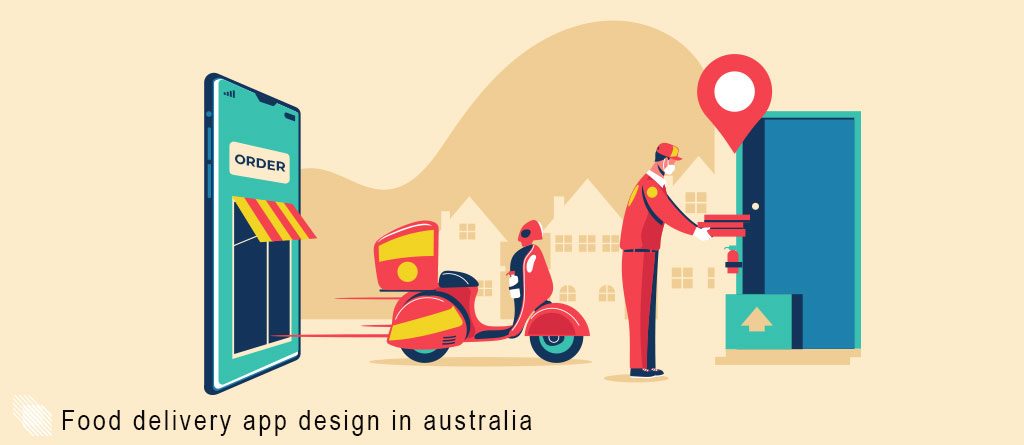
    The use of food delivery apps is on the rise like never before. The biggest reason for their popularity is the convenience offered to order food online that gets delivered quickly at reasonable prices.Food delivery apps act as a collaboration partner between restaurants and clients. On-demand food delivery apps such as Swiggy, Zomato, UberEats, GrubHub are quite a rage among consumers these days. If you intend to invest in online food delivery apps, this article will highlight important factors and practices that you need to keep in mind while building a food delivery app.

    mobile app development

    To begin with, let’s take a look at the following facts as per the Statista:

    • Revenue in the Online Food Delivery segment amounts to US$7,730m in 2019.
    •  Revenue is expected to show an annual growth rate of 12.8%, resulting in a market volume of US$12,536m by 2023.
    • The market’s largest segment is Restaurant-to-Consumer Delivery with a market volume of US$4,334m in 2019.

    Popular business models in the food business

    These two business models can help you make the right decision in terms of choosing the right way to build your food delivery app. Let’s take a look at them:

    Aggregator Business Model: A common platform is provided to customers and restaurants. In this model, customers can browse the listed restaurants, place an order, and fill in the delivery details. The app owner cuts its commission and routes the order to the restaurant for delivery. The order is delivered by the restaurant or a third party delivery service. Here you need to create four different interfaces. One for the customers, second for the restaurants, third for the delivery agents and fourth one for the admin of the service. UberEats, GrubHub, and other leading food delivery apps follow the Aggregator Business Model.

    Restaurant to customer model: In this model, restaurant owners don’t need to hire or maintain their delivery agents. A third-party takes care of its delivery services.

    8 Things to Take Care of While Building a Food Delivery App

    Now is the right time to discuss the essential factors to develop a food delivery app like that of Zomato, UberEats, Swiggy. Below are some things you need to take care while creating a food delivery app.

    1. Easy to use interface

    Interface – it’s the first thing that a first-time user will notice about your food delivery app. As soon as users log in, make sure they find it easy to understand and navigate. If they find it too tiresome, they are going to log out and switch to your competitor soon.

    2. Data accessibility

    Data is the heart of a food ordering and delivery app. Your app should contain all the relevant information: different restaurants, cuisines, menu items, and delivery time. The information enables users to place their orders quickly without much effort and engages them in the right manner.

    3. Secure payments

    The security of the app is a big concern for people using it, and rightly so because the majority of the users fill in confidential information while placing their food order and paying online. As a service provider, integrating multiple online payment methods becomes a must-have feature while developing your food delivery app.

    Remember the best way to develop long-term relationships with customers is by keeping their data safe and secure so they never have to think twice before making a transaction. Popular food apps such as Zomato, Swiggy, UberEats offer multiple preferred payment options such as Visa Checkout, Cash, GooglePay, Paypal, etc to accelerate the process.

    4. Live order tracking

    Order tracking is one of the most popular features in a food delivery app. Live order tracking is super helpful to users eagerly waiting for their food to arrive to see the actual location and estimated time the delivery agent would take to arrive at their doorstep. Food delivery apps take assistance from GPS to not just provide mouth-watering cuisines but also enables them to provide the best user experience to its users.

    5. Multiple ways to order

    Apart from mobile apps, some people still tend to make orders from websites and desktop apps. So it makes sense to also provide the option of website ordering and desktop apps alongside Android and iOS apps to provide multiple ways to order for users.

    6. Rewards & offers

    The secret mantra to attract more customers is to keep showering users with lucrative offers and rewards. Today, users are on a lookout for apps which are consistently

    providing ongoing offers and pocket-friendly deals. Food delivery apps are leaving no stone unturned to lure customers with attractive deals and offers. Thus, regular rewards and offers encourage customers to use the app and order from the same place.

    7. Push notifications

    The best way to engage customers is through push notifications. Not only can you tell them about your latest offerings but you can also develop a one-to-one relationship with customers and win them over with rewards and offers.

    Tip: Don’t go overboard with push notifications as they can drive customers away if overdone.

    8. Testimonials, reviews, and ratings

    Want to build trust with customers? Dedicate an area in the homepage section to display what other users have to say about your app. All successful brands rely on testimonials and ask users for reviews and ratings for their service. This helps build a great reputation and credibility in the market.

    • Other things to keep in mind
    • With the above listed and discussed points, below are a few more important factors to keep in mind while developing your food delivery app.
    • Stick to your budget
    • Select the framework that is right for you
    • Aim for lightning-fast delivery
    • Have a target audience strategy in place
    • Do proper search engine optimization and app store optimization
    • Provide membership to add more advantage
    • Start campaigns over social channels
    • A detailed section for order history comprising order details, order delivery date, order amount, and order status
    • Target a local area and then expand
    • Customize according to local demands

    Conclusion

    By now, you must have learned it’s hard to survive without a food delivery app if you are into the food business. It can boost your customer reach, convert one-off customers into repeat customers and even open new avenues to monetize your business.All that you need to do is to choose us as your a mobile app development company and then you are ready to go.

    Not sure what to use? Don’t worry, just flick us an email at enquiries@masystems.com.au and we will assist you make the best decision! Remember our consultation service is absolutely free.

  • Mobile app development android vs ios

    Mobile app development android vs ios

    Mobile app development android vs ios

    Mobile app development :now that you have decided to build an app for your business, you need to make some calls. The biggest decision to be made is to choose the operating system on which the app will be made.Is it going to be the Google Play Store or Apple App Store?Definitely not an easy choice.If Google’s Android has the lion’s share in the market with 2.3 Billion users (as of 2018), then  Apple’s iOS platform offers high monetization prospects as compared to Android.

    Since not every company has a budget to simultaneously develop for both platforms, the most common question our company is often asked is:

    Android App Development vs

    iOS App Development 

    app development australiaThe matter of the fact is that both these platforms come with their own set of pros and cons. Some important factors worth considering are like target audience, desired app features, revenue goal, project timeline, maintenance budget among others.In this post, I have outlined the key differences between Android vs iOS to help you get a clear idea about which one to choose.

    • Different coding language

    iOS and Android, both the platforms require completely different skill sets in terms of the programming languages used. Java is currently one of the most popular programming languages used for building Android apps followed by Kotlin.

    On the other hand, iOS apps require Objective C or Swift for Native development. The streamlined language and robust error checking system enable developers to build apps faster.

    • Global market share

    It’s a big deal to define your end goal with what your app aims to achieve and the audience you would like to target for your product. As per a StatCounter study, Android held a global market share of 72.3% as of November 2018, while iOS had a 24.4% market share.

    Demography wise, iOS users are largely from North America and Western Europe belonging to the higher stratum of society with more income and better education. On the other hand, most Android users reside in developing countries with relatively lower incomes and 18-34 age bracket.

    Note: If you’re looking to build an app (shopping, food delivery, dating) for the younger population, then you should probably focus on Android app development. 

    • Design principles

    For all those who have used both Android and iOS apps can tell how different these apps are in terms of design and feel. Whether it’s Android app development or iOS app development, the design is going to be visually different which further has a crucial role to play in the app development process.

    Whichsoever platform you decide to go with, make sure to take a close look at Android and iOS design guidelines and understand the differences between each platform’s unique design patterns.

    • Development complexity

    The level of complexity involved in Android app development is much higher than iOS app development. It is primarily because of the many types of devices, smartphones, and tablets. Plus, there are differences in screen sizes, aspect ratios and operating systems too.

    iOS app development is less complicated because Apple has a fewer number of devices – iPhone, iPad, and iPod. This reduces the process time for an iOS app by 30-40% as compared to an Android app.

    • Costs

    The total app development costs aren’t that easy to be estimated as it depends on a list of features and characteristics along with the total time taken to develop the mobile app. As discussed in the above point, Android apps are complicated to develop, they might have higher development costs.

    Apart from paying your outsourced development team, be mindful of the cost differences that incur while uploading your app in the app stores. While the Apple App Store charges a fee of $99 per year, Google Play has a one-time fee of $25 to upload your app to Google Play.

    Wrapping up

    Choosing the right platform for your app is NOT as easy as it seems to be. It depends on a myriad of factors such as budget, the scope of the app, user demographics, and everything discussed above. Take all of them into account when creating your mobile app. Above all, I highly recommend you to work with qualified experts that can help you make your application successful.

    masystems is a reputed mobile app development and design company that builds on-demand apps for both iOS and Android. Our team digs deep to help our clients to make the right decision between Android vs iOS after evaluating their needs, the scope of the app, and the available budget.

    In nutshell

    • Choose Android for a wider audience
    • Choose iOS for a higher revenue per user
    • Choose Android for smaller wait time to get the app to the Store
    • Choose iOS for better user experience
    • Choose Android for better customization
    • Choose iOS for tight security and privacy

    In MA Systems Australia, we will assist you select the best platform to kick off your great idea. We ensure your app is developed within your budget and to the best quality. You will be surprised by our prices against the level of services we provide.

    Give us a call on enquiries@masystems.com.au