Tag: Mobile app

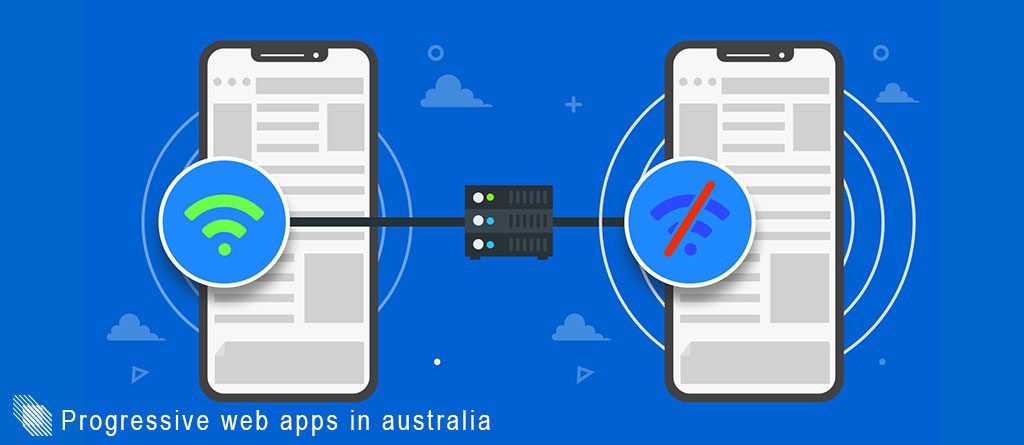
  • Progressive web apps in australia

    Progressive web apps in australia

    Progressive web apps in australia

    Trends come and go so frequently in the tech world that it’s hard to foresee the next big thing in technology. However, one thing that is definitely here to stay is the progressive web app phenomena.You may not have heard of them yet, but progressive web apps (PWAs) have already started making waves. So what are progressive web apps exactly?

    APP DEVELOPMENT IN AUSTRALIA

    What is a PWA?

    Wikipedia explains that a progressive web app is a web application that loads like a regular websites but can offer the user functionalities such as working offline, push notifications, and device hardware access traditionally available only to native applications. PWAs combine the flexibility of the web with the experience of a native application along with other best practices.They strive to deliver an unsurpassed experience for mobile users. PWAs are reliable and respond more quickly to users. Additionally, they focus on engaging mobile users with a more immersive experience than ever before.

    Progressive web apps in australia

    According to Google, a progressive web app should offer the following three things:

    • Engagement: Apart from engaging content, a progressive web app should allow you to add the app to their home screens. It should also be able to send push notifications to users.
    • Speed: Speed is an important aspect of progressive web apps. They should load instantly not taking more than three seconds.
    • Reliability: A progressive web app should be designed to work offline and in areas of low connectivity.


    What are the benefits of PWAs?

    PWAs are known to offer many benefits to businesses. Let’s take a look at them:

    • Low data usage: PWAs don’t need too much data to run as compared to native apps. For instance, if a react native app consumes 10-15 MB data, a progressive web app will just need 500 KB or so. Also, they don’t need any significant storage on the device either.
    • No updates required: PWAs are similar to websites which means they are updated as being used by the user. Unlike native apps, these aren’t updated in the background. The best part is that they can be updated much quicker as no Play or App Store approval is required.
    • Low costs: Developing a native app for Android and  iOS phones is a costly affair for businesses especially for startups. Thus PWAs come across as a wise option for businesses as they reduce the cost of development by 60-70%.
    • Faster speed: Speed is an essential aspect of progressive web apps making them load almost instantaneously. You can browse, shop, view things in lesser time as it would take on web browsers. Faster speed could lead to higher conversion rates means PWAs make attracting customers easier than ever.
    • Offline capabilities: Progressive web apps changed  the game when they allowed apps to run offline. Offline capabilities allow users to access the app even in low reception areas at faster speed leading to more user engagement and higher conversion rates.

    mobile app development australia

    Successful examples of PWAs

    Let’s take a look at some big players who switched from their native mobile applications to progressive web applications to rake in huge profits.

    Twitter

    Twitter is one of the most loved social media apps with over 328 million users with 80% of them accessing it on their mobile phones. That’s why, it launched its PWA in 2018. Twitter Lite is 600 KB in size whereas the native app is around 24 MB. In Twitter Lite, users get web push notifications, Add to Screen prompt, and offline access among other features.

    With this, they achieved a:

    • 65% increase in pages per session
    • 20% reduction in bounce rates
    • 75% increase in tweets sent

    Pinterest

    It took Pinterest 3 months to get their progressive web app ready. The major reason for this switch was that only 1% of their visitors converted to signups.

    With this, they achieved:

    • 60% better engagement
    • Page load time reduced from 23s to 5.6s
    • 44% increase in user-generated ad revenue

    Starbucks

    It was in 2017 when Starbucks launched its PWA with beautiful graphics and smooth animation. The best part was that users could easily get any information and even customize their order offline as well.

    With this, they achieved:

    • Twice the number of active users
    • Light-weight app needing just 233 KB of data storage

    Flipkart

    When India’s largest e-commerce website wanted to provide more seamless experience to users, Flipkart Lite came into being. The PWA requires just 100 KB of data storage which is 300 times smaller than its iOS application.

    With this, they achieved:

    • 70% increase in conversions
    • 40% higher engagement
    • Users spent 3x more time on Flipkart Lite

    Trivago

    Trivago is a hotel search engine that helps users to find the best deal as per the hotel’s information, pictures, ratings, reviews, and other features. So when the mobile experience caught some fire, it realized the need to introduce its progressive app.

    With this, they achieved:

    • 150% increase in engagement
    • 97% increase in clickouts to hotel offers
    • 67% users continue browsing the site when they came online

    Lancome

    Since launching its PWA, Lancome, a famous cosmetic brand has experienced an upward spiral of profits.

    With this, they achieved:

    • 50% increase in the overall speed
    • 17% more conversions
    • 51% increase in mobile sessions
    • Mobile sales have gone up by 16% year over year

    Uber

    Uber was in dire need of an application that could be used by anyone regardless of device and network speed. That’s how it came up with its progressive web app that came with its native app in terms of functionalities but came at a significantly lighter weight.

    With this, they achieved:

    • An app that is only 50 KB in size
    • Super fast speed even on 2G networks

    Forbes

    Forbes is the latest entrant to join the progressive web app bandwagon. It launched its PWA to re-brand their entire mobile experience.

    With this, they achieved:

    • load-time reducing from 3 seconds to 12 seconds to now 0.8 seconds
    • 100% increase in content engagement
    • Twice increase in average user session length
    • 43% increase in session per user
    • 20% more impressions


    The future of PWAs

    PWA is the future of mobile apps that promise better drive revenue, increased user engagement while staying ahead of the competition.At ma systems, our team has experts who have experience in developing native apps, hybrid apps, and progressive web apps. Before we begin progressive web app development, we understand our clients’ business needs as well as their budget and app strategy, based on which we recommend the best framework for developing their app.

    Have you got an idea that could other people having better life? Give us a call at enquiries@masystems.com.au.

    We are keen to assist you making our world a better place to live!

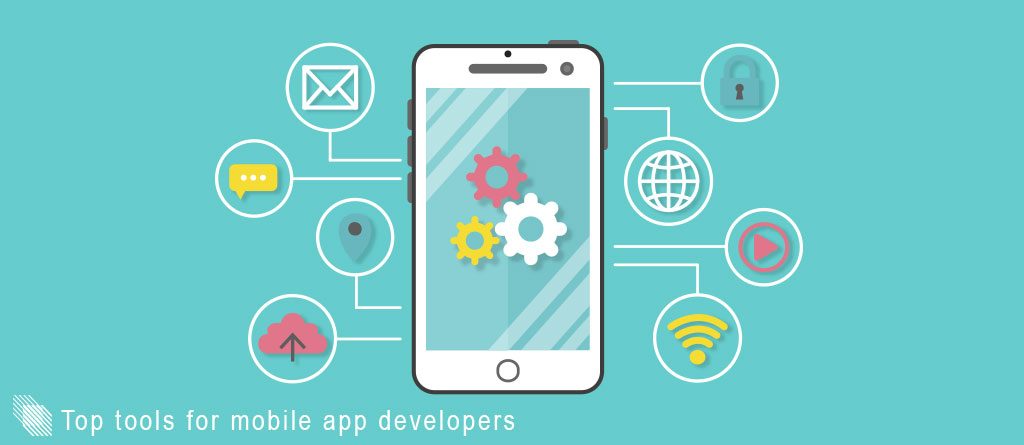
  • Top tools for mobile app developers

    Top tools for mobile app developers

    Top tools for mobile app developers

    Arguably, mobile app developers are the heart of web app development companies. The work they do is both challenging and taxing. They use programming languages and development skills to create, test and develop mobile applications. Not just their hands and mind are always busy but they also need to keep their focus intact all the time.

    That is why, I have made a list of the 10 best tools for mobile app developers to work faster, easier, and more efficiently. You can use these tools whether you work solo or with a team – in-house or remote. I hope you find the peace of mind that you’re looking for and stay organized with the following tools.


    mobile app developers Australia


    mobile app developer with Xamarin

    Xamarin is the most preferred mobile app development tool for native applications. It enables you to use the existing data access and business logic layers across different platforms. The tool can be used for developing all kinds of apps for all major mobile platforms including iOS, Android, and Windows.

    Features:

    • C# programming language with .NET language infrastructure
    • Allows communication with the API of mobile devices
    • Xamarin Component Store includes UI controls, cross-platform libraries, and third-party libraries


    mobile app developer with Appcelerator

    As the name suggests, the tool helps you accelerate the app development process enabling you to create apps with fewer lines of code. This app development tool supports iOS, Android, Windows, and browser-based HTML5 applications.

    Features:

    • Applies the universal concept of “write once, use anywhere”
    • The quickest way to build app prototypes
    • ArrowDB, its data store lets you deploy data models without hassles

    mobile app developer PhoneGap

    PhoneGap is an open-source free to use mobile app development tool used for developing a single app that works on all mobile devices. It integrates various libraries with existing functions and code enhancing the entire app development process and making it faster.

    Features:

    • Works well on JavaScript, HTML5,and CSS3
    • Comes with a plug-in architecture to increase its functionality
    • Code reusability across iOS, Android, Windows Phone, BlackBerry, Firefox OS

    mobile app developer with Sencha

    mobile app developers australia

    Sencha is a favorite online tool of many developers for designing, developing and testing enterprise mobile applications. It comes packed with 115+ high-performance, pre-tested, and integrated UI components to give multiple options to choose from and work with.

    Features:

    • Lets you code in HTML5 format using Sencha touch software development kit
    • Includes calendar, grids, charts, and more.
    • Supports Android, iOS, BlackBerry, Windows Phone, and more

    mobile app developer withMobile Roadie

    Mobile Roadie is a popular custom app development tool that makes it easy for developers to create and manage their apps for Android and iOS platforms.

    Features:

    • Lets you send geo-targeted push notifications, set up geo-fences, create custom interactive maps
    • Deeply integrated user community features
    • Includes features such as auto-updating fan wall, auto-importing of RSS, and Google News or Twitter keywords integration

    mobile app developer with AppMachine

    AppMachine is a highly efficient app development tool that enables people to build web apps as well as native apps for iOS, Android, and Windows Mobile platforms. It comes with a user-friendly app builder and multilingual interface.

    Features:

    • Comes in a four-column layout with an options panel on the top
    • Gives a preview of the app in different platforms in real-time
    • Easy to use

    mobile app developer with Good Barber

    The name might be a little quirky but its features are on point. Good Barber is a popular native app builder tool that uses the latest app development technologies to create robust and highly functional apps.

    Features:

    • Lets you create an app without actually coding
    • Offers features like authentication, beacons, geofencing, service worker, etc
    • Easy integration with Google Play and App Store
    • The app creation process is translated into 28 languages from beginning to end

    mobile app developer with The AppBuilder

    The App Builder is a flexible suite of Enterprise Application Development specializing in corporate employee mobile apps and enterprise mobile app platforms. The best part is that you don’t need to possess technical skills to create a robust app on this tool, it’s super-easy to use.

    Features:

    • Comes with an online toolkit along with a training module
    • Lets you segment your audience by location, job function, project or any criteria you need
    • Allows you to update your app’s structure, content and linked services anytime – even after the app has gone live

    mobile app developer with Kony AppPlatform

    It is a low-code platform for omni-channel app development. Mobile app developers prefer it over other tools as it accelerates development, shortens testing, simplifies changes, streamlines support and reduces maintenance.

    Features:

    • No code to full code development
    • The single code base for omni-channel output
    • Robust HA/DR and performance SLAs

    mobile app developer with LongRange

    LongRange is a native mobile app development tool that lets you write once and deploy to Apple, Android, and Windows devices easily.

    Features:

    • Build native mobile apps using only RPG/ CL with DDS
    • Utilize mobile device features like GPS, camera, audio, SMS, etc.
    • Automatically push app updates into the mobile devices

    Not sure what to use? Don’t worry, just flick us an email at enquiries@masystems.com.au and we will assist you make the best decision! Remember our consultation service is absolutely free.

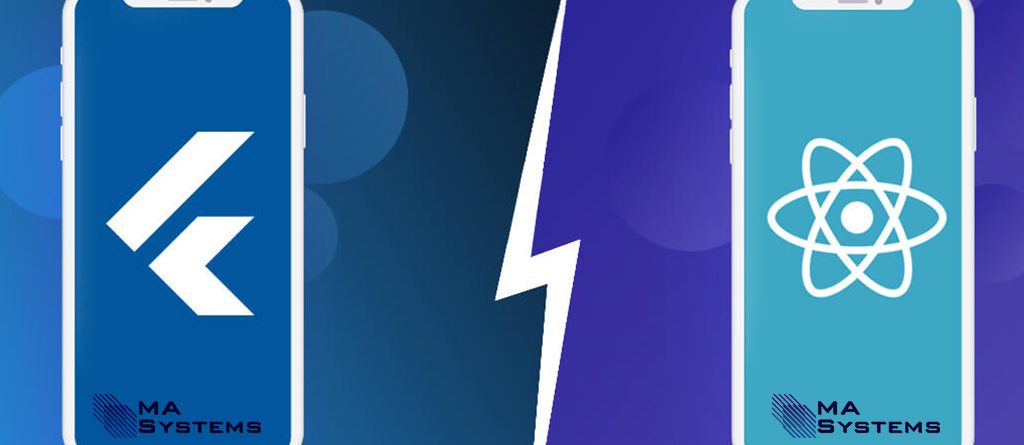
  • Flutter vs react native

    Flutter vs react native

    Flutter vs react native

    In the last few years, the concept of cross-platform mobile app development has taken off massively and for all the right reasons. If facts are to be believed then the cross-platform app market crossed the mark of $7.5 billion in 2018.The best thing about cross-platform development is how it allows developers to write the code once and employ it across all major platforms – Android, iOS or Windows. Wait, other benefits include:

    APPLICATION DEVELOP IN AUSTRALIA

    • Code reusability
    • Reduced costs
    •  Quicker development time
    • Easier implementation and adoption

    It’s hard to not address the elephant in the room while talking about cross-mobile app development. Yes, I am referring to the never-ending debate on Flutter vs React Native. Honestly, Flutter and React Native are both popular mobile app development frameworks but choosing one over the other is going to depend on many factors.
    So we decided to make things easier for you and perform a detailed comparison of Flutter and React Native and leave it to you. Without much ado, let’s compare Flutter and React Native on various factors.

    Programming Language

    Mobile app development in Flutter is done with Dart which is relatively a new-age language. So developers have to learn Dart to make mobile apps in Flutter. However, it is easier for developers to pick up Dart if they have a background in Java, C++, or JavaScript.On the other hand, mobile app development in React Native is mainly done in Javascript using React. As Javascript is already quite popular in development circles, it is easier to find developers who can build apps in React Native.

    Verdict: As Javascript is more popular and easier to learn than Dart, React Native is the clear winner here.

    Creators

    Flutter is an open-source framework developed by Google to create mobile apps using a single codebase for both Android and iOS. It was first introduced to the world at Google I/O Conference in 2017.It is believed that React Native was developed by a software engineer at Facebook named Jordan Walke and is now backed by Facebook which made it open-source in 2015.

    Verdict: Both Facebook and Google are mega tech giants investing heavily in Javascript and Dart and are doing a fairly good job at backing it.

    APPLICATION DEVELOP IN AUSTRALIA

    Development

    React Native uses components from its library for mobile app development. A virtual DOM is used to communicate and interact with native UI elements. The number of widgets is limited but more adaptive as compared to Flutter. React Native takes less time to develop cross-platform apps and adds much more to the user interface.
    Flutter, on the other hand, uses widgets as its building blocks and has a large number of ready-to-use widgets. However, widgets aren’t as adaptive as they are in React Native. It is also less fussy to get started with and can be easily set up.

    Verdict: React Native takes lesser development time as compared to Flutter.

    Performance

    Flutter does not use native components but rather creates its widgets and makes use of the GPU to render apps on the screen. The Dart code is compiled to native ARM code. Further, CPU runs it directly reducing the app built time expeditely.
    Whereas React Native uses the Javascript bridge to connect and interpret native components. It further invokes Objective-C APIs for rendering components on the screen. This often ends up making React Native apps less performance-driven and slower.

    Verdict: Flutter is faster than React Native.

    Documentation

    Documentation in React Native is general and understandable. It includes and explains all the basic topics, guides, and modules but many developers find documentation in React Native somewhat disorganized.
    Flutter’s documentation is thorough and more user-friendly. Whether you’re experienced or just starting out, you can find almost everything you need in Flutter.

    Verdict: In terms of information and accessibility, Flutter takes the lead from React Native.

    Industry adoption & Popular apps

    React Native has been in this industry since 2015, due to which it is an already established platform with massive community support. Owing to its popularity, Facebook, Instagram, Uber Eats, Tesla, Skype, Walmart uses React Native for their mobile applications.
    On the other hand, Flutter was introduced in 2017 but many successful apps such as Alibaba, AppTree, Google Ads, Tencent are developed in Flutter.Verdict: React Native turns out to be more popular than Flutter because of its stronghold and community.

    Our experienced programmers at MA Systems Australia ensure that the best approach is taken for your project. You don’t need to be an expert in programming to start an app, just give us a call and you will be amazed how quick, easy and cost effective you can convert your idea into an app!

    Give us a call on enquiries@masystems.com.au