Tag: mobile app design australia

  • Hybrid vs Native Mobile App Development, Which is better

    Hybrid vs Native Mobile App Development, Which is better

    Hybrid vs Native Mobile App Development,

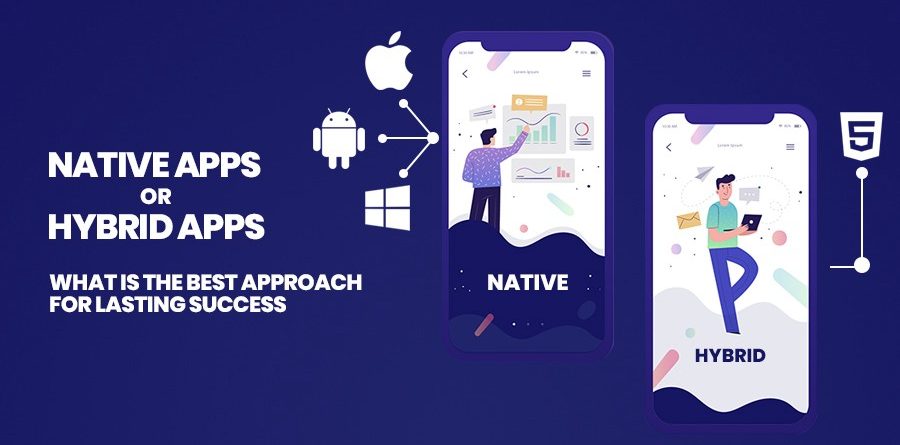
    For those of you who want to build a mobile app for your business, you may have come across some different options during your preliminary research.You realized that not all development methods are the same and you have a couple of different ways to approach development.Hybrid vs. native.Which one is better?

    mobile app development in australia

    As an industry expert who has built both types of mobile apps and helped other people do the same, I can give you the information that you need to decide for yourself.The truth is, there’s not a black and white answer here.Since everyone has a unique situation, you’ll have to decide for yourself.First, let’s me explain exactly what these two different terms mean.Native apps are developed for a specific operating system.

    Therefore, they follow certain guidelines that ultimately enhance the user experience.People who use the app can typically navigate through the app faster.It’s also easier for native apps to access some of the built in components of the user’s device, such as the camera, GPS, or contacts list.Hybrid apps look and function the same way as a native app, but it’s built on the web using JavaScript and HTML5.

    They can work on multiple platforms since they are written using just one programming language.So before you start building your app, you’ll have to decide which one of these two routes you’re going to take.It’s an important decision that can impact how consumers react to their experience using your app.

    But only recent technology has allowed them to advance from both the developer and user perspectives.I’ll go into some greater detail about both types of apps to help you make an educated decision.

    Native Mobile App DevelopmentDrawbacks of native apps

    So earlier I briefly discussed some of the positive aspects of developing a native app.With that in mind, there are definitely some drawbacks of going this route as well.Here are some of the negative associations with native apps.

    Only work on one operating system

    When you’re building a native app, you have to decide which operating system you’re going to launch on.You can develop an Android app for the Google Play Store or build an iOS app for the Apple App Store.So if you want to launch a native app on both platforms, you’ll have to develop the entire thing twice.You’ll have to start from scratch with coding and development if you plan to launch on the Android platform after building an iOS app.

    With all of the time, effort, and money involved with app development – it can end up taking years for you to get your native app launched and functioning on both platforms.It’s a tough way to get a fast return on your significant investment that way, but we’ll talk more about the costs associated with development later.If you’re forced to make a decision between the two platforms, it could make or break the success of your app.

    There are distinct differences in the demographic characteristics between iOS and Android users.Launching on a platform that doesn’t speak to your target audience can drastically impact your customer acquisition cost.If that number is too high, it could put your company in jeopardy of going out of business.To minimize that risk, you’ll have to do extensive marketing research to figure out which operating system is better for your brand’s image.It’s not a simple process.

    Native Mobile App Development

    Takes a long time to code

    There’s only one way to build native apps.Do you know how to write code for mobile apps?Most people don’t.So you’ve got some different options to consider here as well.You can take the time and learn how to code yourself.How hard can it be, right?While I admire your ambition, I wouldn’t suggest this route.It’s not rocket science, but it’s not easy either.Learning this new skill will take a long time and then actually writing the code will take even longer.Plus if you learn the basics of coding and want to develop the app yourself, it’s going to be pretty limited and definitely have some bugs and glitches.

    Trust me – I know from experience.So if you’re not going to code the app yourself, you’ll need to hire someone to do it for you.But that’s not an overnight process.Whether you hire a freelance developer, small development shop, or large company to build the app for you, the code will take them a long time to write as well.Here’s an example from the Codementor.Based on their estimations, it could take up to 985 hours to write code for an app that’s similar to Instagram.

    Assuming the person or company you hire spends 8 hours a day for 5 days a week working on this (which they won’t, because they have other projects to do as well), it would take about 25 weeks to finish.This estimation doesn’t include any administrative dashboard features or UI/UX designs, which would bring the total estimated time up to 1220 hours.

    That’s over 30 weeks to develop.Again, that’s assuming your developer works solely on your app during the entire duration of their work week, which is highly unlikely.In reality, this would probably take closer to a year to get built.And that’s just on one platform.This is definitely not an ideal scenario for everyone.This timeline can obviously vary based on the complexity of your app design, which means it could take even longer to code.

    Require complicated maintenance

    Launching an app isn’t over once development is finished.You’ve got to maintain the app to keep it functional and give users an optimal experience.As we saw in that graphic earlier, negative experiences with an app’s performance can cause nearly half of users to use the app less frequently and 34% of people to switch to another app completely.

    So you can’t neglect regular app maintenance.The problem with this maintenance is that it’s not easy, especially if you have a more complicated app.We just talked about how long it takes to code an app, well how do you think changes get made?So this takes even more time if the code is complex.It will leave your app more vulnerable to glitches that last longer because they can’t get found and fixed right away.Take a look at how much it will cost you to perform maintenance on your native app in just the first year, on average.

    So the burden of dumping money into your app isn’t over after development either.Almost 20% of native apps cost over $25,000 in maintenance in the first year of the launch date.Numbers that high can’t be ignored.The reason for this is because of the complexity involved in the process.

    Hybrid app development australiaComplicated and specialized code languages

    Let’s piggyback off of our last couple points.Building a native app also requires you to learn specialized code languages.What do I mean by this?Basically, the majority of the terms you’re going to hear throughout the process are words and phrases that you’ve never heard before – unless you’re an experienced developer.This complicates things even more.

    It creates a language barrier between the developer and the client (you).There ends up being a learning curve for you to even be able to communicate your wants and needs to the developer.This also goes back to what I was saying earlier about learning how to code the app yourself.You’ve got to add a new arsenal of terms to your vocabulary before you get started.

    EXPENSIVE

    If you look back at everything we just talked about regarding the pitfalls of native apps, they are all leading towards one common denominator.Building a native app is expensive.There’s really no other way to put it.If you’re hiring a developer in Australia, you can expect to pay around $100 per hour for their services.That’s $100 per hour for what could be over a year of development.Not cheap.Plus, we just saw that regular maintenance of your app could cost up to an additional $25,000 per year.

    While major corporations may be able to afford this, these figures just aren’t reasonable for most people and small businesses.Furthermore, these numbers are limited to just one operating system.So you can expect to pay even more than that if you’re planning to develop, launch, and maintain an app on both the Google Play Store and Apple App Store.

    If you thought that building your first app on the iOS platform was expensive, just wait until you go through the Android process.Android apps cost about 30% more to develop than iOS apps.That doesn’t mean you can just ignore the Android software because of the price.While the split between Android and iOS mobile users in the United States is relatively even, Android dominates the global market share, owning about 80% to 90% of users.So if you’re planning to develop a native app, you can expect to pay big bucks.

    Benefits of Hybrid apps

    While hybrid apps aren’t perfect, there is plenty of upside to developing an app this way.Hybrid apps shine in the areas where we saw some pitfalls with native app development.Here are some more details about this method.

    Work on every operating system

    Unlike its native counterparts, hybrid apps work on both iOS and Android operating systems.Which means you won’t have to build the same app twice if you want your app to be available on both the Apple App Store and Google Play Store.This is huge.We just finished discussing the importance of being on both platforms.Now you can reach users with different demographics from all over the world.You won’t have to worry about the marketing nightmare of trying to figure out which operating system to develop first based on your target audience.Both can get launched simultaneously.

    This is essential for your company’s brand awareness strategy.Ultimately, your availability on both platforms will make it easy for your app to grow and prosper.You’ll get more downloads, which can translate to an increase in revenue.

    Those downloads will also help get you more ratings and reviews on each respective app store, which all impact your search ranking.It’s a cycle.The higher your search ranking, the more downloads you’ll get.

    Quick to code, build, and test

    Developing a hybrid app can get done in just a fraction of the time it takes to build a native app.That’s because the coding isn’t complicated and it’s completely web based.You don’t even need to learn how to code if you want to build a hybrid app on your own.The hybrid building process is so easy that one person can do it.Rather than learning how to code, you just need some practice getting acclimated to the platform you’re using to the build the app.

    Hybrid apps are also ideal in terms of testing different versions of your app.Because there’s no complicated coding involved, you can easily change design elements and get beta testers to see which components enhance the user experience.Worst case scenario is that you find our your app isn’t great based on the beta testing feedback.But you didn’t have to spend too much time or money on this, so it’s not the end of the world.You can just make adjustments and move on.

    Easy to make design changes and updates

    Earlier I explained how coding makes it difficult for native app developers to make changes and updates.Well, it’s the complete opposite with hybrid apps.Since everything is on the same platform, you won’t have to do things twice for each operating system whenever you want to make changes.This also benefits the user.Here’s why.Let’s say an app has a glitch, bug, or needs some kind of enhancement.This happens more often than you might think.

    If it’s a native app, the user won’t see the changes unless they update the newest version via the app store.So if the user isn’t someone who regularly updates the apps on their device, they’ll continue to experience problems and won’t have the newest version of your app unless they manually download it.

    This can cause customer satisfaction problems and negatively impact your bottom line.None of this will happen when you make updates with a hybrid app.If you make an update on a page that gets loaded from a server, the user will get the update as soon as open and connect to your app on their device.This holds true for phones and tablets on both iOS and Android platforms.

    Everyone already knows the coding languages

    You won’t need to use an IT dictionary to understand the basic concepts of building a hybrid app.Since you’re not doing any complicated coding, everything is laid out in terms that you can understand.This makes it easier for the average person without a technical background to build a hybrid app.Here’s what I mean.

    Let’s take a look at one of the first steps you’ll go through if you’re building a hybrid app on the ma systems platform.Is there anything on here that you don’t understand?All of the steps are in clear English with common terminology.Just follow the simple instructions on the screen to proceed and watch your app get built in real time.You can work within a pre-designed template and make any customized changes, so your app is unique.That way the final product will look exactly the way you imaged it.

    AFFORDABLE

    You can build a hybrid app for just a fraction of the cost of a native app.It’s not necessary to hire an expensive developer to write your code.Hybrid apps can be built by you or someone else on your staff.Remember the average cost to develop a native app in North America that we saw earlier?Let me refresh your memory.It was $100 per hour.The cost to develop a hybrid app through a platform like masystems starts at just $59 per month.I think it’s safe to say that this is a much more reasonable and realistic figure for you.At the bare minimum, it’s at least worth a try.It’s not like it’s an investment that’s going to tie up all of your company’s capital.

    What’s best for you?

    At the end of the day, the decision is completely yours.I can’t decide what the best choice is for your company.There are definitely some positive aspects of developing a native app.But with that said, there are just so many pitfalls that come with it.Native apps only work on one operating system, so you’re forced to choose between iOS and Android.

    Sure, you can develop one of each.But the cost of one is pricey enough. Imagine the financial burden of going through that twice.Unlike native apps, hybrid development is much quicker.There’s no complicated coding process or complex languages to learn.

    It’s easier to identify, modify, and install updates as well.Users can see these updates without having to download the newest version of your app on their devices.Consider using masystems platform to launch your app if you think that hybrid development is the best option for you.I know I’m biased, but masystems is so easy to use and you can’t argue with the results. It helps you:

    • Get the app to market faster
    • Launch on any operating system
    • Save time
    • Save money
    • Minimize risk
    • Maintain and modify your app after development

    If you don’t want to build it on your own, the masystems Pro Services team can build the app for you.Just let them know what you’re looking for, and they will take care of the rest.How will you use the money saved from developing a hybrid app instead of a native app?

    Not sure what to use? Don’t worry, just flick us an email at enquiries@masystems.com.au and we will assist you make the best decision! Remember our consultation service is absolutely free.

  • Features Every Mobile Commerce App Needs to Have (part 2)

    Features Every Mobile Commerce App Needs to Have (part 2)

    Features Every Mobile Commerce App Needs to Have (part 2)

    Building a mobile commerce app design is one of the best ways to drive sales for ecommerce businesses. That’s because mobile apps convert higher than the mobile web.But simply launching an app isn’t enough to make it successful.The best ecommerce app design on the market have certain features in common. These specific elements are all focused on improving the customer experience, driving sales, and increasing conversions.

    mobile app development in australia

    Whether your app is live or still in the early development stages, adding the right features will lead to prosperity, success, and profitability.After researching the latest mobile commerce trends, mobile commerce tips, and best practices, I’ve identified the top 15 features your m-commerce app must have.

    1. Shopping app design australiaSpeedy Checkout Process

    Let’s continue talking about your app’s checkout process. In addition to accepting multiple payment methods, the checkout must be as fast as possible.The perfect mobile commerce checkout can be completed in seconds. Users should be able to complete the purchase process in one or two clicks at most.According to Forbes, fewer form fields yield higher conversion rates.

    Think about the information you’re asking from your customers. You don’t need to know their favorite color or mother’s maiden name to complete the purchase.Earlier, we talked about the significance of user profiles on a mobile app. This gives you a major advantage over your desktop site or mobile site.

    After a customer buys something once, you can store their information for future purchases (with their permission, of course). This can drastically reduce checkout times and yield sky-high conversions.

    App users will have the ability to checkout in seconds with just one click.

    1. Product Search

    How do users find what they’re looking for on your app?

    Some of you might be selling a handful of products, while others are selling hundreds or thousands. No matter how many products you’re offering, the customer needs to find what they’re looking with as little friction as possible.

    Just make sure that your app has an advanced search and filter system. These are the biggest pain points associated with retail site search.While this particular study is focused on websites, the same concepts can be applied to mobile commerce apps. If your search isn’t displaying relevant results, it can do more harm than good.With that said, adding search functionality to your mobile app can yield exceptional results.

    Conversion rates from users using the search feature are typically two to four times higher compared to those who don’t. Up to 60% of all transactions come from sessions that used the search function.Here’s something else to consider. Take a look at the most popular shopping apps in the market.

    Global giants like Amazon and eBay lead the way. What do these apps all have in common? They all have an advanced search and filter function.Even though thousands of products are sold through these apps, customers can still find what they need with a quick search.

    eCommerce App design australia


    1. Customer Support

    No matter how simple your app is, people will always need assistance. Whether it’s questions about particular products, returns, payments, or navigation, you must be available to assist your customers.Don’t look at this as a negative thing.86% of users are willing to pay more for great customer service. Excellent service creates customer loyalty and retention as well.

    According to HubSpot, 77% of happy customers share positive brand experiences with other people. Your customer service can ultimately lead to free referrals.With all of this in mind, your app must have features for customer support.

    Whether it be live chat, email, ticket support, or phone calls, customer support should be easy to find for all app users.According to VentureBeat, 77% of people between the ages of 18 and 24 use their smartphones to contact customer support. So it’s only natural that your ecommerce mobile app should have support functions built-in.

    1. Retail Integration

    This is another feature that’s a must-have for anyone with a physical retail presence.Your app and stores should not be treated as separate entities. Allow each one to compliment the other. This is something that you can’t really accomplish with a desktop site or mobile site.

    Studies show that consumers are already using their mobile devices when browsing in physical stores. Take a look at how those devices are being used.Your mobile app can make all of these uses much easier for your customers. Whether this leads to sales through the app itself or at your physical registers, it still benefits your business.

    Some shoppers might research products ahead of time on the app, and wait until they see the item in person before making the purchase. Allow app users to create a wish list for this purpose.Other users might do the opposite. They could see an item while browsing in-store, and ultimately decide to purchase it at a later date.

    Remember earlier when we talked about using location tracking to improve your app? Retail store integration is another opportunity to leverage this feature.Set up beacons throughout your store to track an app user’s movements. If you see that they spend significant time browsing in a particular aisle, you’ll have a better understanding of their needs.For example, let’s say a user is standing in an aisle for makeup. You can send them a push notification in real-time for a discount on cosmetics.

    1. Mobile Optimized Product Descriptions

    Every product on your app must have a description. But these descriptions must be optimized for mobile devices.

    Desktop users have the benefit of viewing product descriptions on a 13 or 15-inch screen. But that screen is just four or five inches from the app. So if your product description includes lengthy paragraphs, it will be challenging for users to read.

    In a perfect world, your app and ecommerce site will have identical descriptions for products. But consider using an alternate description to shorten things on your mobile app. This mobile commerce tip will yield higher conversions.

    I recommend short bullet points that render two lines at most from a mobile device.Analyze your existing product descriptions and determine what can be eliminated to shorten the length.

    1. Mobile Optimized Product Images

    Let’s continue discussing the way your products are presented in an app. You must include mobile-optimized images as well.The inability to touch and feel a product is one of the most difficult aspects of making an online purchase. Consumers rely on detailed and accurate photographs to eliminate this barrier.

    Research shows that an inaccurate depiction of products is a leading cause of returns.Your app should include as many product images as possible. These must be high-quality and show the product from every angle.If possible, find a way to show the items to scale. Show action shots and people modeling or using the product.For example, let’s say you’re selling a shirt. A person wearing the shirt would provide more value to a customer than a shirt sitting on a table or plain background.According to a case study from CXL Institute, product images with a 360-degree spin feature can boost conversions by up to 27%.

    1. Simple Returns

    In a perfect world, all of your customers will be happy with your products. But we both know that’s not the case.Returns are part of running an online retail business. Don’t make this a hassle for your customers.92% of consumers are more likely to buy from a brand again if they experience a simple returns process. 67% of people check a company’s return policy before finalizing a purchase.Furthermore, poor return policies are a leading cause of shopping cart abandonment.

    Always offer free returns.

    Allow users to facilitate the return process directly through the app. You can take a page from Amazon’s playbook and generate a QR code in the app. That code can be scanned and processed at UPS or FedEx store.You know that returns are bound to happen. Making them easy for app users will keep those customers coming back to make more purchases in the future.

    1. App Analytics

    Use app analytics to make continuous improvements in your mobile commerce app. You can track things like:

    • Product page conversion rates
    • Most popular payment methods
    • Section of the screen that’s clicked the most
    • Geographic location of app users
    • Types of mobile device being used
    • Daily app usage per user
    • Duration of app usage per visit
    • App crashes
    • Bugs and error reports

    The list goes on and on. This type of information is extremely valuable. You might learn something about the behavior of app users that could trigger a change in your app.Don’t assume that your app is perfect the way it is. There’s a good chance that it’s not. App analytics will help you make significant improvements.

    mobile App development australiaConclusion

    If you have an ecommerce mobile app, you need to add these must-have features if you want it to be successful.All of the information above is based on actual research from high-performing

    apps.

    Not sure what to use? Don’t worry, just flick us an email at enquiries@masystems.com.au and we will assist you make the best decision! Remember our consultation service is absolutely free.

  • Features Every Mobile Commerce App Needs to Have (part 1)

    Features Every Mobile Commerce App Needs to Have (part 1)

    Features Every Mobile Commerce App Needs to Have

    Building a mobile commerce app design is one of the best ways to drive sales for ecommerce businesses. That’s because mobile apps convert higher than the mobile web.But simply launching an app isn’t enough to make it successful.The best ecommerce app design on the market have certain features in common. These specific elements are all focused on improving the customer experience, driving sales, and increasing conversions.

    mobile app development in australia

    Whether your app is live or still in the early development stages, adding the right features will lead to prosperity, success, and profitability.After researching the latest mobile commerce trends, mobile commerce tips, and best practices, I’ve identified the top 15 features your m-commerce app must have.eCommerce App designPush Notifications

    A significant benefit of your mobile commerce apnp is the ability to communicate with app users. You don’t have this advantage with your mobile site or desktop site for that matter, either.When leveraged correctly, sending the right push notification at the perfect time can lead to sales.

    Push notifications can be treated like your email marketing campaigns. You can send product updates, discounts, promotions, and other offers as well. Except push notifications should be reserved for your best offers.

    If the offer is so good that you’d send a text message to your customers about it (since you basically are), then send it as a push.70% of app users find push notifications useful. 40% of people engage with push notifications within an hour, compared to just 8% who ignore them altogether.Here’s a breakdown of the most desired that content app users want from a push notification:

    • Promotions — 34%
    • New developments — 26%
    • Geotargeted information — 26%
    • Other — 14%

    Running a flash sale? Send a push notification. Are you releasing a product with limited availability? Tell users with a push.Consider using push notifications to update customers about their orders. For example, you can send a “package delivered” message when the order arrives at the front door.
    Shopping app design australia
    2.Location Tracking

    As I briefly mentioned, 26% of app users want push notifications relevant to their locations. Furthermore, 53% of people agree to share their location with mobile apps.Use this crucial data to your advantage to improve your mobile commerce marketing strategy. There are so many different ways to leverage location tracking for mobile apps.Here are a few basic examples to showcase how versatile location tracking can be.

    For those of you with physical retail locations, you can have a “store locator” feature within your app. Users can use this to find the closest store to their current position.According to a recent consumer survey, the ability to locate physical stores from an app is one of the most valuable features of a mobile commerce app.In addition to your store location feature, you can use geofencing technology to send relevant push notifications.

    If an app user walks by one of your stores, you can immediately send them a push notification enticing them to buy. Even if you don’t have any physical stores, geofencing can still be extremely useful.

    Here’s an obvious example to illustrate my point.

    Let’s say your business sells sports equipment. If an app user goes to the beach, you can send them an offer related to surfboards and kayaks. If a user goes to a ski resort, you can send offers related to snowboarding and skiing.A person’s physical location can also be used to personalize their app home screen. Customers living in Hobart shouldn’t be seeing the same offers as customers living in Alice Spring.

    1. User Profiles

    Allowing users to log in and make purchases from a customer profile is the ultimate advantage of having a mobile commerce app.This feature has countless benefits for you as well as your customers.

    For starters, a user profile gives you so much insight into the mind of each customer. You’ll be able to recommend relevant products based on their purchase history and browsing history.Customers are happy because they are getting personalized offers, and you’re pleased because those recommendations will lead to sales.90% of people find personalization appealing.

    As you can see, 80% of consumers say they are more likely to do business with brands that offer a personalized experience.Personalization aside, customer profiles make the lives of app users much easier.

    Since all of their information is saved to the profile, they can shop and checkout in seconds. Think about how much information is required to complete a transaction. At the bare minimum, you’re asking for things like:

    • Customer name
    • Credit card number
    • Billing address
    • Shipping address
    • Email address

    Each additional step a customer has to take reduces their chances of converting. From a mobile device, entering all of this information is tedious.However, app users only have to do this once. Then the information can be stored and used for future purchases.

    1. Social Media Integration

    74% of shoppers are influenced by social media when it comes to purchasing decisions.I’m assuming (and hoping) that your company already has an active presence on social media. So integrate those channels with your mobile commerce app to get the most out of them.

    Here’s why. It’s possible that customers who installed your mobile app do not follow you on social media. Even your top customers won’t be opening your app every day, but it’s likely that they’re using social media daily.Adding your Facebook wall or Instagram feed to your app can encourage users to follow you.

    On days when they aren’t shopping on the app, you can still engage with those people via social media.Social media integration also saves you time when it comes to adding content to your app. For example, if you install a YouTube plugin, any video uploaded to your YouTube channel will automatically appear in the app. So you won’t have to upload it twice.

    1. Discounts and Promotions

    Everyone loves to feel like they got a great deal when they’re shopping. So give your customers an incentive to use the app by offering exclusive discounts and promotions.According to a recent study, 65% of people use ecommerce apps to receive exclusive deals and offers.

    As you can see from the chart, this ranked first on the list of reasons.This feature will obviously have a lot to do with your brand’s overall image and pricing strategy. I know that some luxury brands never offer discounts or anything like that.

    But for the majority of you, this feature will be essential for success.I like the idea of using a discount or promotional offer as a way to drive app downloads from the beginning. For example, you could offer $20 off or 20% discount off the first purchase using the app.

    But beyond the initial offer, discounts are still a great way to drive mobile commerce sales. This is especially true for time-sensitive offers.Send push notifications for flash sales or deals expiring soon. If you can create FOMO (fear or missing out), it will entice app users to act quickly. People want to get a discount before it’s too late.

    1. Customer Loyalty Program

    An app is the perfect platform to facilitate your customer loyalty program.This is a great opportunity for those of you who already have an existing loyalty program, as well as brands starting one from scratch. A mobile commerce app makes it easier for customers to track their loyalty status through their user profile.

    There are lots of different ways to promote customer loyalty. All of which entice consumer spending.You can reward customers based on purchase frequency, total spending, or a combination of the two.

    What makes a loyalty program better on an app? Take a look at the results of this recent study by CodeBroker.The vast majority of consumers are more likely to participate in loyalty programs if they can easily access information from their smartphones. Nothing makes this easier than a mobile app.

    Mobile ecommerce loyalty programs address other customer wants and needs that we previously discussed as well. Earlier, we learned that the number one reason why consumers use ecommerce apps is to receive exclusive deals and promotions.A customer loyalty program delivers exactly what those individuals want.’

    1. Lots of Payment Options

    Let me take a moment to paint a picture for you.Imagine that a customer just got acquainted with your brand. Maybe they stumbled upon a social media advertisement or heard a friend’s recommendation. The customer visits your website, learns about your app’s first purchase promotion, and decides to download it.

    With the app installed on their device, the user browses for products and adds a few items to their shopping cart. Time to checkout, right?As the user continues through the purchase process, they quickly discover that you don’t accept their preferred payment method. The user abandons the cart, and you probably lost them forever.

    Don’t let this happen to you. Think about how much work that user just went through and how disappointed they were when they couldn’t complete the order.You can’t assume that everyone wants to pay with a Visa or Mastercard. Even if the customer owns one of those cards, they might get better rewards or benefits by using an alternative method.

    Every ecommerce mobile app should accept:

    • All major credit cards (Visa, Mastercard, Discover, American Express)
    • Debit cards
    • PayPal
    • Apple Pay
    • Google Pay
    • Venmo

    We haven’t quite reached the point where you need to accept cryptocurrencies, but that might change within the next five or ten years.

    Not sure what to use? Don’t worry, just flick us an email at enquiries@masystems.com.au and we will assist you make the best decision! Remember our consultation service is absolutely free.

  • Progressive web apps: the next big thing in mobile app development

    Progressive web apps: the next big thing in mobile app development

    Progressive web apps: the next big thing in mobile app development

    There’s been a tough competition between mobile apps and the mobile web since the early days.Countless articles have been written, videos have been made, experts have given seminars & lectures – in which some favored the former while others recommended the latter.Although, we almost forgot that some other trends were also getting popular. Progressive Web Apps are one of them.

    mobile app development Australia

    Bringing together the best of both the mobile and the web world, this technology is the talk of the town these days. People are talking about it and even the topmost mobile app development companies in Singapore, UK, and the US are expressing interest.Seeing this, you might be interested in knowing more about Progressive Web Apps and might want to ask a couple of questions like:

    Progressive web apps australiaWhat are Progressive Web Apps?

    Google’s Developer page describes progressive web apps as user experiences that have the reach of the web and are more fast, engaging, and reliable.

    Although if you’re looking for a more specific solution, here it is:

    Next-gen apps that combine the benefits of a website with mobile apps, hence resulting in more optimal and better user experience.

    Why choose them over native apps?

    Well, there are heaps of reasons that explain why Progressive web apps are a better option over native apps. Here are some of them:

    • They can be accessed Offline

    Progressive web apps solve the biggest problem people face, i.e. the need for an Internet connection. Sometimes it’s not possible to access the Internet. As a result, accessing certain mobile apps becomes difficult.

    Although, similar is not the case with progressive web apps. You can use them offline as well without any interruption even in areas where there is no sufficient network.

    • They’re fast and dynamic

    As Progressive web apps run in a browser and the content & media files are served by dynamic servers using simple HTML, CSS, javascript files, they work quickly.

    You don’t even need to worry about the app screen sizes. They change as per the device and platform.

    • You can run them on any platform

    Yet another major advantage progressive web apps have over native apps is that you can run them on any platform, be it web, Android, or iOS. This way you can reach a larger audience.

    • You don’t even need to install them

    Even the apps with very small size take at least a few minutes to install. This causes a problem if you need an app urgently. At that time, you can’t do anything but wait.Progressive web apps effectively solve this problem. You don’t even need to install them. Just click on the link and the app will open in front of you.

    • Easily Shareable

    It’s very easy to share Progressive web apps. Just send the link to the person who you want to send the app and he can access it on just a click. Isn’t that cool?Hoping that by now you might’ve gotten a better insight, why progressive web apps are a better alternative to native mobile apps. Still, if you’ve any queries, feel free to contact us. We’ll be pleased to help.

    Not sure what to use? Don’t worry, just flick us an email at enquiries@masystems.com.au and we will assist you make the best decision! Remember our consultation service is absolutely free.

    Progressive web apps australia

  • Web design and app development for a real estate agency

    Web design and app development for a real estate agency

    Web design and app development for a real estate agency

    In this article we bring you the details for create a website for a real estate agency and a real estate system.The web page created in WordPress with filtering functions between properties and with a modified control panel to include, modify or delete our client’s houses.

    website development australiaWebsite design for real estate agencies autsraliaWebsite design for real estate agencies

    In the budget that we present for the development of the real estate agency, besides including the price of the web page, we present several sketches. Before starting any project we send several proposals so that the client can see how his real estate website would look before starting it. Something very important, to have a good relationship with our clients who always thank us for not going blindly on their design.To comment that we carry out a study of the competition and the designs that the client can pass us to look for the most updated thing possible according to the needs.

    real estate website designs

    All designs include the latest news and recommendations in Google structure, a responsive system, adaptable to mobile phones, smartphones and tablets. Administration control panels, to manage your listing in real time without a programmer, filtered by location, properties, types …

    You can also add functions such as the translation system by language, chat, currency, creation of eCommerce systems or custom modifications of functions, always budgeted apart from the original design.

    Here are the three proposals we present with the strengths of each design:

    mobile app development australiaReal estate design with mobile app development

    First of all, we have the simplest of the three proposed designs, which would include, besides the administration control panel, a simple and clean design, with an open menu and an adjustable scroll, to update the houses and properties that the client wants, without limit.

    All designs come assembled with the latest updates and web-based applicationsIn HTML5 format and with administration control panels to manage your properties. In addition to several sections, in this case the client indicated the Home, About us, Listing (with a filter of the properties and the possibility of including Google Maps with all the locations and locations of the properties) pages. In addition, a blog to write articles, in this case they would use it to publish offers and news related to the city. Finally, a contact form where all the personalized data is collected.

    The filtering of houses is one of the most complete, it includes different possibilities, for example, being able to filter by price, something useful for guests with a fixed budget, location, number of bedrooms, number of bathrooms, type of property and condition.

    Development of applications for real estate

    Also, we perform mobile apps for real estate on Android and iPhone. Our application development agency is a leader in building software systems for real estate companies. We have made application development for travel agencies.

    For the second proposal on real estate that we present, is one of the most complete designs, its strength lies in the ability to create different users who can register and upload your property to the list, always with the consent of an administrator user who will validate the property for activation within the website.The convenience of being able to validate an article for direct publication makes it perfect for those real estate agencies with different partners and companies.

    Real Estate App DevelopmentReal Estate App Development australia

    Finally, we present a different system. Although all designs come with a responsive system that adapts to mobile devices and tablets, the latter is designed to improve the user experience and usability, mounting a side menu for easy use on small screens.

    The fit will be perfect, fully optimized and updated, with the possibility of including high-resolution retinal images and drag-and-drop effects designed for touch devices.The possibilities are endless, so if you need a personalized budget or advice for your website, you can consult with our experts through our quotation form.

    Are you after a similar website for your business? Give us a call and we guarantee you will be surprised by our fantastic services and low prices.Over the years, we developed many platforms similar to this website, so your website and your business will be in good hands.

    Give us a call at enquiries@masystems.com.au so we can send you sample websites for you to checkout.

  • Food delivery app design in australia

    Food delivery app design in australia

    Food delivery app design in australia

    The use of food delivery apps is on the rise like never before. The biggest reason for their popularity is the convenience offered to order food online that gets delivered quickly at reasonable prices.Food delivery apps act as a collaboration partner between restaurants and clients. On-demand food delivery apps such as Swiggy, Zomato, UberEats, GrubHub are quite a rage among consumers these days. If you intend to invest in online food delivery apps, this article will highlight important factors and practices that you need to keep in mind while building a food delivery app.

    mobile app development

    To begin with, let’s take a look at the following facts as per the Statista:

    • Revenue in the Online Food Delivery segment amounts to US$7,730m in 2019.
    •  Revenue is expected to show an annual growth rate of 12.8%, resulting in a market volume of US$12,536m by 2023.
    • The market’s largest segment is Restaurant-to-Consumer Delivery with a market volume of US$4,334m in 2019.

    Popular business models in the food business

    These two business models can help you make the right decision in terms of choosing the right way to build your food delivery app. Let’s take a look at them:

    Aggregator Business Model: A common platform is provided to customers and restaurants. In this model, customers can browse the listed restaurants, place an order, and fill in the delivery details. The app owner cuts its commission and routes the order to the restaurant for delivery. The order is delivered by the restaurant or a third party delivery service. Here you need to create four different interfaces. One for the customers, second for the restaurants, third for the delivery agents and fourth one for the admin of the service. UberEats, GrubHub, and other leading food delivery apps follow the Aggregator Business Model.

    Restaurant to customer model: In this model, restaurant owners don’t need to hire or maintain their delivery agents. A third-party takes care of its delivery services.

    8 Things to Take Care of While Building a Food Delivery App

    Now is the right time to discuss the essential factors to develop a food delivery app like that of Zomato, UberEats, Swiggy. Below are some things you need to take care while creating a food delivery app.

    1. Easy to use interface

    Interface – it’s the first thing that a first-time user will notice about your food delivery app. As soon as users log in, make sure they find it easy to understand and navigate. If they find it too tiresome, they are going to log out and switch to your competitor soon.

    2. Data accessibility

    Data is the heart of a food ordering and delivery app. Your app should contain all the relevant information: different restaurants, cuisines, menu items, and delivery time. The information enables users to place their orders quickly without much effort and engages them in the right manner.

    3. Secure payments

    The security of the app is a big concern for people using it, and rightly so because the majority of the users fill in confidential information while placing their food order and paying online. As a service provider, integrating multiple online payment methods becomes a must-have feature while developing your food delivery app.

    Remember the best way to develop long-term relationships with customers is by keeping their data safe and secure so they never have to think twice before making a transaction. Popular food apps such as Zomato, Swiggy, UberEats offer multiple preferred payment options such as Visa Checkout, Cash, GooglePay, Paypal, etc to accelerate the process.

    4. Live order tracking

    Order tracking is one of the most popular features in a food delivery app. Live order tracking is super helpful to users eagerly waiting for their food to arrive to see the actual location and estimated time the delivery agent would take to arrive at their doorstep. Food delivery apps take assistance from GPS to not just provide mouth-watering cuisines but also enables them to provide the best user experience to its users.

    5. Multiple ways to order

    Apart from mobile apps, some people still tend to make orders from websites and desktop apps. So it makes sense to also provide the option of website ordering and desktop apps alongside Android and iOS apps to provide multiple ways to order for users.

    6. Rewards & offers

    The secret mantra to attract more customers is to keep showering users with lucrative offers and rewards. Today, users are on a lookout for apps which are consistently

    providing ongoing offers and pocket-friendly deals. Food delivery apps are leaving no stone unturned to lure customers with attractive deals and offers. Thus, regular rewards and offers encourage customers to use the app and order from the same place.

    7. Push notifications

    The best way to engage customers is through push notifications. Not only can you tell them about your latest offerings but you can also develop a one-to-one relationship with customers and win them over with rewards and offers.

    Tip: Don’t go overboard with push notifications as they can drive customers away if overdone.

    8. Testimonials, reviews, and ratings

    Want to build trust with customers? Dedicate an area in the homepage section to display what other users have to say about your app. All successful brands rely on testimonials and ask users for reviews and ratings for their service. This helps build a great reputation and credibility in the market.

    • Other things to keep in mind
    • With the above listed and discussed points, below are a few more important factors to keep in mind while developing your food delivery app.
    • Stick to your budget
    • Select the framework that is right for you
    • Aim for lightning-fast delivery
    • Have a target audience strategy in place
    • Do proper search engine optimization and app store optimization
    • Provide membership to add more advantage
    • Start campaigns over social channels
    • A detailed section for order history comprising order details, order delivery date, order amount, and order status
    • Target a local area and then expand
    • Customize according to local demands

    Conclusion

    By now, you must have learned it’s hard to survive without a food delivery app if you are into the food business. It can boost your customer reach, convert one-off customers into repeat customers and even open new avenues to monetize your business.All that you need to do is to choose us as your a mobile app development company and then you are ready to go.

    Not sure what to use? Don’t worry, just flick us an email at enquiries@masystems.com.au and we will assist you make the best decision! Remember our consultation service is absolutely free.