Tag: iOS App Development

  • Fitness app development in australia

    Fitness app development in australia

    Fitness app development in australia

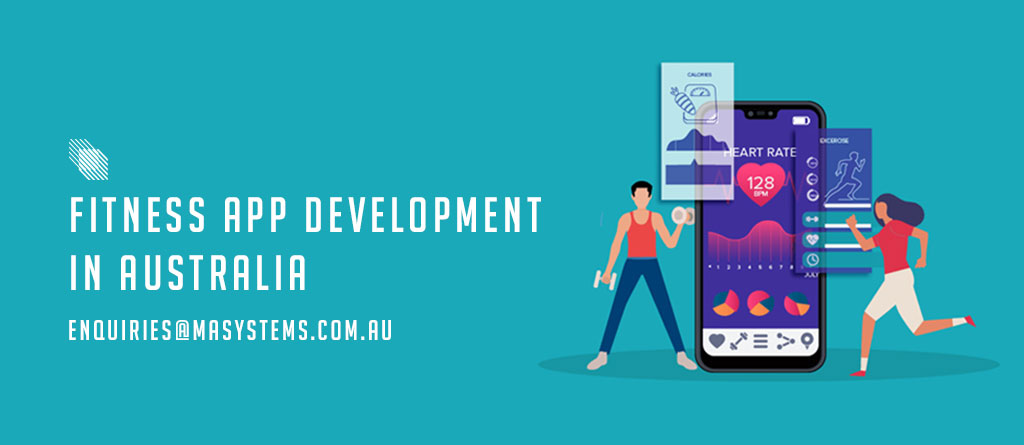
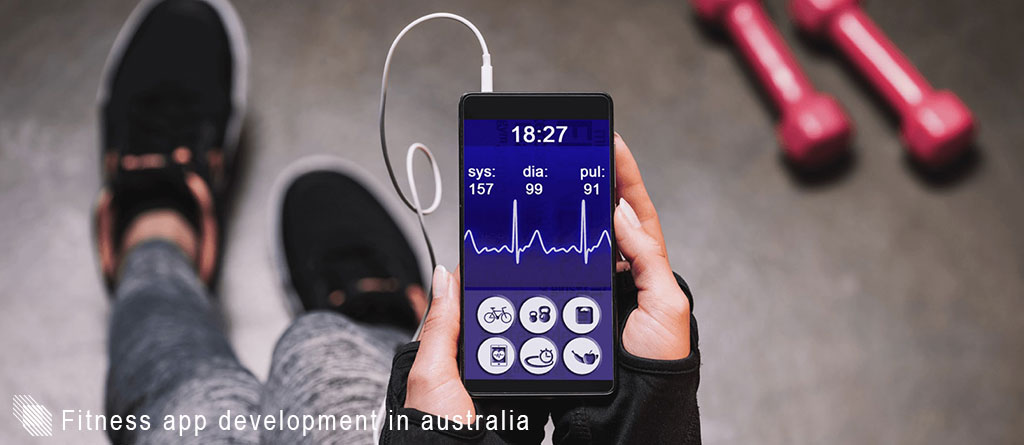
    With the increasing emergence of advanced technologies in the healthcare industry, the app market has experienced a huge surge in fitness apps. The new-found popularity has recorded a 330% rise in the adoption of fitness apps in the last couple of years.

    Mobile App Developer australia

    The rise of fitness apps

    There has been a seismic wave of anxiety and health issues all over the world during the COVID-19 pandemic. People are taking active steps to lead a healthy lifestyle and have been subscribing to paid fitness app memberships on their smartphones worldwide.

    As per a Statista report, the revenue in the fitness segment has reached $17,963 million in 2020 and is expected to grow rapidly. Also, it has been observed that users are accessing fitness and health apps at least twice a week and at most 10 times a week.

    A new report by Reports and Data states that the global fitness app market is expected to reach USD 14.64 Billion by 2027. With the increasing awareness of health and fitness among people, there has been a significant rise in mobile apps offering features like track workout, heart rate, and burned calories. On top of it, the fitness industry has an anticipated growth of 23% CAGR through the forecast period.

    Fitness app development in australiaTypes of fitness apps

    If you’re planning to create a fitness app, it’s essential to know what type of fitness app you’d like to develop before you start zeroing on the features in the app. In general, there are 3 types of fitness apps available in the market each targeting the unique fitness needs of people.

    1. Diet and nutrition apps: All diet and nutrition apps let you track your meals and provide a complete breakdown of your daily nutrition so you can make adjustments in your diet as needed and set personal goals to reach your targets.  Examples:MyFitnessPal, Lose It!, Waterlogged.
    2. Activity Tracking apps: There are activity tracking apps specifically designed for walking, running, cycling, jumping, and more. Activity tracking apps display distance traveled, number of steps taken or climbed, and calories that were burned at the end of each activity. Examples: Google Fit, RunKeeper, Nike Run Club
    3. Workout apps: Workout apps provide specific workout routines and in-house or gym exercises depending on your fitness requirements. These can be personal trainer apps or studio apps with live streaming features. Examples: Sworkit, Freeletics.

    Must-have features of fitness apps

    Each fitness app is designed to fulfill specific fitness requirements offering unique features for users. However, there are some generic features that every fitness app needs to have.

    Let’s take a look at them:

     Signup & login

    This feature gives users the option to create their personal accounts in the app. Make sure users have multiple options to log in through social networks like Facebook, Twitter, Instagram, etc. or sign up via email.

    Personal account

    User profile or personal account feature helps you gather essential information about a user such as age, gender, height, weight, and fitness goals.

    Workouts

    This feature is only relevant to workout apps. Here, you can allow users to create their own workouts or let them choose from existing workout routines. We suggest giving users the option to customize their routines as per their fitness levels and body types.

    Target setting

    Goal setting is one of the most important features of fitness apps. This feature is helpful for users to visualize their progress and motivates them to work even harder.

    Activity tracking

    It is connected to the previous point. The user activity tracking feature allows users to see the number of steps made, kilometers run, time taken, and calories burnt during a specific activity.

     Wearable integration

    Integrating your fitness apps with popular wearables is extremely beneficial. This feature enables users to monitor the steps, heartbeat rate, pulse rate of users in real-time.

    Geolocation

    It is a must-have feature for walking, running, and cycling apps as it allows users to track the entire distance while doing that activity in the app itself.

    Social media integration

    This feature allows you to share your workout results on various social media platforms through the app itself. It also boosts brand awareness and ‘word of mouth’ marketing.

     Notifications & reminders

    Fitness is about consistency. Users look for features that remind them to workout or push hard. Don’t forget to include push notifications and reminders in your fitness app. Beware of sending too many notifications though.

    Gamification

    Make your app look and feel great with the gamification feature. Let your users compete, get rewards, and compare results with their friends on the app itself for more engagement.

    Settings

    Here, provide as many options as possible to make the app more customizable and easy to use. Let them make changes, reset targets whenever and however they want.

    Summing it up

    Now that you know about different types of fitness apps and basic feature-set, start working on your app idea right away. If you have any questions or need consultation for your fitness app, masystems team would love to help you out. Our experts will understand your business needs, target audience, define the best tech stack and platforms to develop a highly functional and interactive fitness app like Fitbit.

    Get in touch with us and let’s turn your app idea into a reality, together.
    Fitness app development in australia

    Not sure what to use? Don’t worry, just flick us an email at enquiries@masystems.com.au and we will assist you make the best decision! Remember our consultation service is absolutely free.
  • Mobile app development android vs ios

    Mobile app development android vs ios

    Mobile app development android vs ios

    Mobile app development :now that you have decided to build an app for your business, you need to make some calls. The biggest decision to be made is to choose the operating system on which the app will be made.Is it going to be the Google Play Store or Apple App Store?Definitely not an easy choice.If Google’s Android has the lion’s share in the market with 2.3 Billion users (as of 2018), then  Apple’s iOS platform offers high monetization prospects as compared to Android.

    Since not every company has a budget to simultaneously develop for both platforms, the most common question our company is often asked is:

    Android App Development vs

    iOS App Development 

    app development australiaThe matter of the fact is that both these platforms come with their own set of pros and cons. Some important factors worth considering are like target audience, desired app features, revenue goal, project timeline, maintenance budget among others.In this post, I have outlined the key differences between Android vs iOS to help you get a clear idea about which one to choose.

    • Different coding language

    iOS and Android, both the platforms require completely different skill sets in terms of the programming languages used. Java is currently one of the most popular programming languages used for building Android apps followed by Kotlin.

    On the other hand, iOS apps require Objective C or Swift for Native development. The streamlined language and robust error checking system enable developers to build apps faster.

    • Global market share

    It’s a big deal to define your end goal with what your app aims to achieve and the audience you would like to target for your product. As per a StatCounter study, Android held a global market share of 72.3% as of November 2018, while iOS had a 24.4% market share.

    Demography wise, iOS users are largely from North America and Western Europe belonging to the higher stratum of society with more income and better education. On the other hand, most Android users reside in developing countries with relatively lower incomes and 18-34 age bracket.

    Note: If you’re looking to build an app (shopping, food delivery, dating) for the younger population, then you should probably focus on Android app development. 

    • Design principles

    For all those who have used both Android and iOS apps can tell how different these apps are in terms of design and feel. Whether it’s Android app development or iOS app development, the design is going to be visually different which further has a crucial role to play in the app development process.

    Whichsoever platform you decide to go with, make sure to take a close look at Android and iOS design guidelines and understand the differences between each platform’s unique design patterns.

    • Development complexity

    The level of complexity involved in Android app development is much higher than iOS app development. It is primarily because of the many types of devices, smartphones, and tablets. Plus, there are differences in screen sizes, aspect ratios and operating systems too.

    iOS app development is less complicated because Apple has a fewer number of devices – iPhone, iPad, and iPod. This reduces the process time for an iOS app by 30-40% as compared to an Android app.

    • Costs

    The total app development costs aren’t that easy to be estimated as it depends on a list of features and characteristics along with the total time taken to develop the mobile app. As discussed in the above point, Android apps are complicated to develop, they might have higher development costs.

    Apart from paying your outsourced development team, be mindful of the cost differences that incur while uploading your app in the app stores. While the Apple App Store charges a fee of $99 per year, Google Play has a one-time fee of $25 to upload your app to Google Play.

    Wrapping up

    Choosing the right platform for your app is NOT as easy as it seems to be. It depends on a myriad of factors such as budget, the scope of the app, user demographics, and everything discussed above. Take all of them into account when creating your mobile app. Above all, I highly recommend you to work with qualified experts that can help you make your application successful.

    masystems is a reputed mobile app development and design company that builds on-demand apps for both iOS and Android. Our team digs deep to help our clients to make the right decision between Android vs iOS after evaluating their needs, the scope of the app, and the available budget.

    In nutshell

    • Choose Android for a wider audience
    • Choose iOS for a higher revenue per user
    • Choose Android for smaller wait time to get the app to the Store
    • Choose iOS for better user experience
    • Choose Android for better customization
    • Choose iOS for tight security and privacy

    In MA Systems Australia, we will assist you select the best platform to kick off your great idea. We ensure your app is developed within your budget and to the best quality. You will be surprised by our prices against the level of services we provide.

    Give us a call on enquiries@masystems.com.au