With the increasing emergence of advanced technologies in the healthcare industry, the app market has experienced a huge surge in fitness apps. The new-found popularity has recorded a 330% rise in the adoption of fitness apps in the last couple of years.
There has been a seismic wave of anxiety and health issues all over the world during the COVID-19 pandemic. People are taking active steps to lead a healthy lifestyle and have been subscribing to paid fitness app memberships on their smartphones worldwide.
As per a Statista report, the revenue in the fitness segment has reached $17,963 million in 2020 and is expected to grow rapidly. Also, it has been observed that users are accessing fitness and health apps at least twice a week and at most 10 times a week.
A new report by Reports and Data states that the global fitness app market is expected to reach USD 14.64 Billion by 2027. With the increasing awareness of health and fitness among people, there has been a significant rise in mobile apps offering features like track workout, heart rate, and burned calories. On top of it, the fitness industry has an anticipated growth of 23% CAGR through the forecast period.
Types of fitness apps
If you’re planning to create a fitness app, it’s essential to know what type of fitness app you’d like to develop before you start zeroing on the features in the app. In general, there are 3 types of fitness apps available in the market each targeting the unique fitness needs of people.
Diet and nutrition apps: All diet and nutrition apps let you track your meals and provide a complete breakdown of your daily nutrition so you can make adjustments in your diet as needed and set personal goals to reach your targets. Examples:MyFitnessPal, Lose It!, Waterlogged.
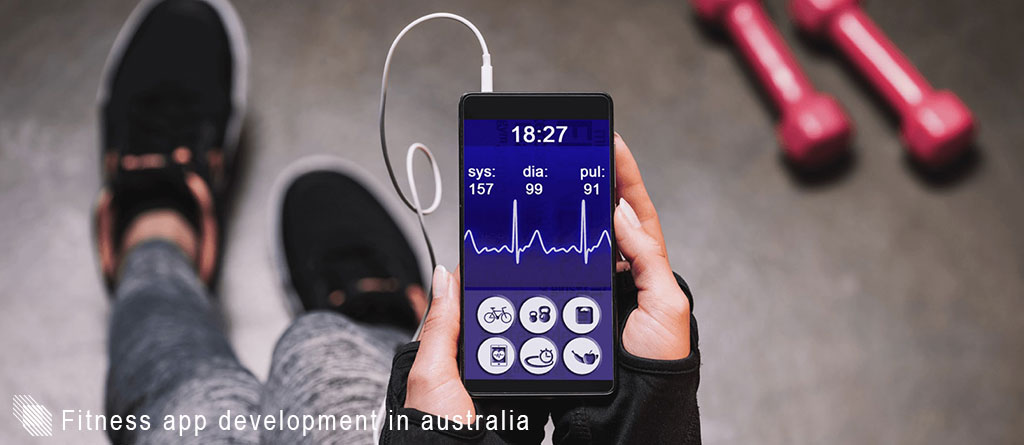
Activity Tracking apps: There are activity tracking apps specifically designed for walking, running, cycling, jumping, and more. Activity tracking apps display distance traveled, number of steps taken or climbed, and calories that were burned at the end of each activity. Examples: Google Fit, RunKeeper, Nike Run Club
Workout apps: Workout apps provide specific workout routines and in-house or gym exercises depending on your fitness requirements. These can be personal trainer apps or studio apps with live streaming features. Examples: Sworkit, Freeletics.
Must-have features of fitness apps
Each fitness app is designed to fulfill specific fitness requirements offering unique features for users. However, there are some generic features that every fitness app needs to have.
Let’s take a look at them:
Signup & login
This feature gives users the option to create their personal accounts in the app. Make sure users have multiple options to log in through social networks like Facebook, Twitter, Instagram, etc. or sign up via email.
Personal account
User profile or personal account feature helps you gather essential information about a user such as age, gender, height, weight, and fitness goals.
Workouts
This feature is only relevant to workout apps. Here, you can allow users to create their own workouts or let them choose from existing workout routines. We suggest giving users the option to customize their routines as per their fitness levels and body types.
Target setting
Goal setting is one of the most important features of fitness apps. This feature is helpful for users to visualize their progress and motivates them to work even harder.
Activity tracking
It is connected to the previous point. The user activity tracking feature allows users to see the number of steps made, kilometers run, time taken, and calories burnt during a specific activity.
Wearable integration
Integrating your fitness apps with popular wearables is extremely beneficial. This feature enables users to monitor the steps, heartbeat rate, pulse rate of users in real-time.
Geolocation
It is a must-have feature for walking, running, and cycling apps as it allows users to track the entire distance while doing that activity in the app itself.
Social media integration
This feature allows you to share your workout results on various social media platforms through the app itself. It also boosts brand awareness and ‘word of mouth’ marketing.
Notifications & reminders
Fitness is about consistency. Users look for features that remind them to workout or push hard. Don’t forget to include push notifications and reminders in your fitness app. Beware of sending too many notifications though.
Gamification
Make your app look and feel great with the gamification feature. Let your users compete, get rewards, and compare results with their friends on the app itself for more engagement.
Settings
Here, provide as many options as possible to make the app more customizable and easy to use. Let them make changes, reset targets whenever and however they want.
Summing it up
Now that you know about different types of fitness apps and basic feature-set, start working on your app idea right away. If you have any questions or need consultation for your fitness app, masystems team would love to help you out. Our experts will understand your business needs, target audience, define the best tech stack and platforms to develop a highly functional and interactive fitness app like Fitbit.
Get in touch with us and let’s turn your app idea into a reality, together.
Not sure what to use? Don’t worry, just flick us an email at enquiries@masystems.com.au and we will assist you make the best decision! Remember our consultation service is absolutely free.
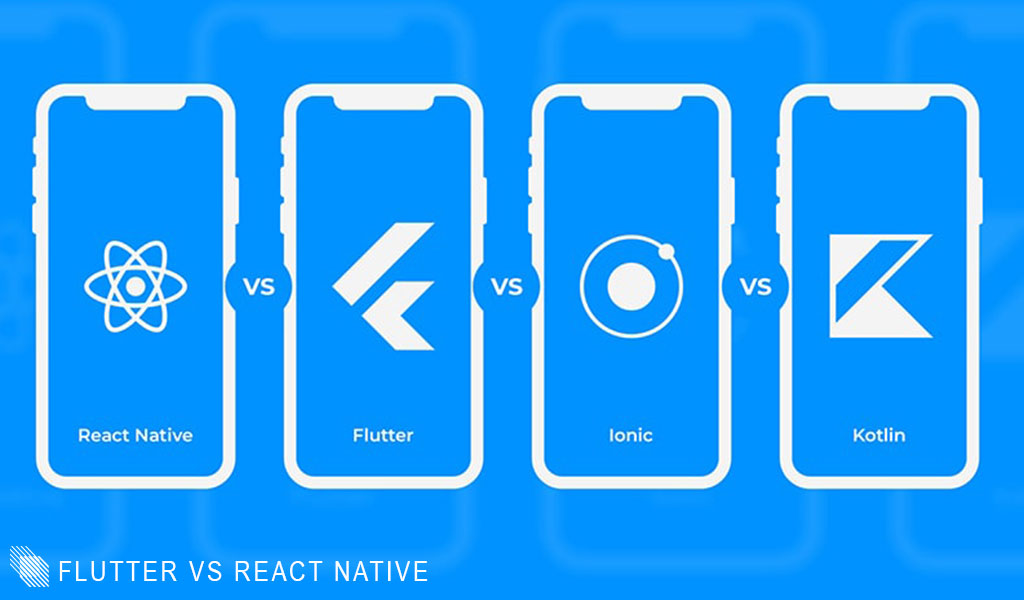
Kotlin vs flutter: which is better for doing business?
Flutter was introduced in the year 2015 and is an open-source framework. It aims to compose a commercial center for Google Fuchsia. It’s a system for iOS, Web, Android, and other desktop-based app development. Flutter works best for coders who think It’s easy to learn. It has turned into cross-platform mobile app development inside a brief timeframe.
Easy to Utilize:Flutter framework is free and open-source which permit analysis, modifying inquiries, and use the code.
Exceptionally Customizable:When you add resources into Flutter, the app designer would utilize various gadgets and make portability with giving a customized look.
Google Firebase:Firebase integration would permit flutter application engineers to give backend office on occasion for environmental factors.
Reload Performance:Flutter is famous due to beginning to reload execution. It makes it simple for everybody to make backend changes and break front-end classification.
Perfect for MVP:The framework helps in building Android and iOS applications at low cost and less time. Kotlin vs Flutter is an ideal for MVP development and in building models.
Why Flutter is an excellent choice?
Flutter is an opensource platform that organizes a marketplace for Google Fuchsia. Flutter comes with a UI toolkit that enables developers to build beautiful applications for mobile, web, and desktop using a single codebase. Google UI framework focuses on the prevailing technological framework within a short time.
When to use Flutter?
For Simple Set-up:Flutter has a bright future for the developer.
For Building Minimum Viable Product:Develop a conceivable app and give clearer item thought.
Convenient Solutions:The hot reload feature permits engineers to execute code progressively.
Future scope of Flutter
Flutter comes with the top structure for any app development. It permits utilizing Dart and assemble cross-platform apps using local mobile apps. Lots of organizations are using custom Flutter app developers dependent on your requirements.
What is Kotlin?
JetBrains develop Kotlin, and it’s an open-source programming language. It was released in 2010 and later in 2016 to build native mobile applications for Android. Kotlin is multiplatform is an essential feature of Kotlin which complies with JVM, Bytecode, LLVM, and more. Similarly, to flutter Kotlin’s work as multiplatform in an SDK which allows reusing business logic by building applications for iOS, Android, Desktop, and even helps in backend development in Java frameworks like Spring.
Top Features of Kotlin
Basic Languages:It comes with programming dialects like Swift, Scala, and is genuinely comfortable to comprehend the language.
Complex SDK and not framework:Construct your application with Kotlin that works better than Java.
Reuse of the Logic:It permits isolating UI and undertake rationale. Kotlin coder cooperates with the local environment like Kotlin data, JavaScript for the Internet, Android studio, etc.
Local UI Expertise:It doesn’t require any guidelines for making UI and coders deal with the appearance and proficiency of machines efficiently.
Flexibility and Adaptability:The designer can scale up applications without using VM. It makes the perfect decision for making an application vital. The framework is trending due to its developer’s skill and simplicity.
Why Kotlin multiplatform is gaining popularity?
If you have the plan to build an Kotlin app, then you can hire developers or work on a single module. Kotlin has a syntax which is quite similar to programming languages like Swift, Groovy, Java, and Scala. It’s an only platform that provides all kinds of services which makes it different from others. Kotlin multiplatform won’t demand any instructions for creating UI. The hire Kotlin developers can work on design, efficiency, and appearance similar to native. The developers can scale up the applications without utilizing a Virtual machine.
When to use Kotlin?
As Kotlin is a cross-platform programming language, it relies on the Java class library. The scope of Kotlin is unlimited. For example, Pinterest has moved from Java to Kotlin and provide users with a better interface.
Add Features in an existing app:Add extra features to an existing app instead of revamping the entire architecture.
Inbuilt Debugging:Kotlin can search for bugs automatically and prevent them from coming back. It is safer than Java and resolves crashes instantly.
Simple Syntax for Sophisticated codes:It’s easy to write and deploy codes in Kotlin. They are used in apps that require heavy coding and is simple to maintain.
Future Scope of Kotlin
The Future Kotlin scope comes with a fixed significant number of bothering issues inside the Java language. For instance, invalid references are constrained by the required app development platform. Kotlin has no crude elements, and the clusters are invariant.
Kotlin Vs Flutter
Check a few highlights and comparison between Kotlin Vs Flutter
Features
Flutter
Kotlin
Released
2017
2010
Popularity
More popular with 88.7k stars and 11.7k forks
Less popular with 31.5 stars and 3.8 forks
Pricing
Free and Open source
Free and Open Source
Programming Language
Dart
JVM, Native and JavaScript
UI Experience
Best User Interface
100% Interoperable in Java
Performance
Excellent Speed
Better security
Testing Support
Operates with Firebase
Comes with a rich set
What is the Kotlin Vs Flutter Verdict?
Both Flutters vs Kotlin for Android have their exciting way of building cross-stage and local applications. It relies on a particular task and its necessities so you can pick anyone. Additionally, Flutter adds more favor and trending choice forandroid application development company. Before few years Kotlin was at the same level, but as Flutter is moving on with adding new features, it’s used vastly. Hire android developer or hire flutter app developer to grow your business globally.
Flutter comes with lots of advantages of speeding up the app development process. It helps to build a beautiful interface in less time when we compare it with native apps. Flutter is wholesome for native app development in the flutter engine itself, which adds benefits to users.
Kotlin makes the developer’s life easier where coders here get over the edge when utilizing the latest framework, new technologies and start constructing magnificent things. Kotlin works best among the designer’s network and best suits for android development.
3. Does Flutter app development come with Hot reload function?
Yes, Flutter does have a hot-reload function. The feature is used for the whole codebase and runs on the app without any delay. It updates according to the screen interface.
4. What are the benefits of cross-platform apps?
Among the other mobile app types, cross-platform can gain a massive number of popularities across the globe. The apps can install in any devices and comes with benefits like:
Easier Implementation
Quicker development time
Control cost
Reusable Codes
Sameness and Uniformity
Not sure what to use? Don’t worry, just flick us an email at enquiries@masystems.com.au and we will assist you make the best decision! Remember our consultation service is absolutely free.
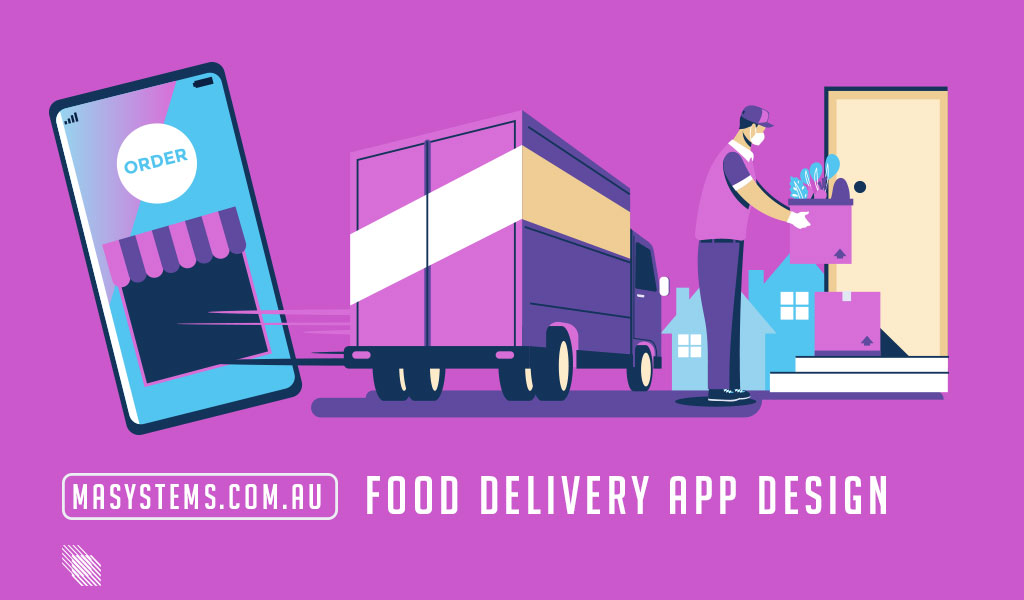
The use of food delivery apps is on the rise like never before. The biggest reason for their popularity is the convenience offered to order food online that gets delivered quickly at reasonable prices.Food delivery apps act as a collaboration partner between restaurants and clients. On-demand food delivery apps such as Swiggy, Zomato, UberEats, GrubHub are quite a rage among consumers these days. If you intend to invest in online food delivery apps, this article will highlight important factors and practices that you need to keep in mind while building a food delivery app.
To begin with, let’s take a look at the following facts as per the Statista:
Revenue in the Online Food Delivery segment amounts to US$7,730m in 2019.
Revenue is expected to show an annual growth rate of 12.8%, resulting in a market volume of US$12,536m by 2023.
The market’s largest segment is Restaurant-to-Consumer Delivery with a market volume of US$4,334m in 2019.
Popular business models in the food business
These two business models can help you make the right decision in terms of choosing the right way to build your food delivery app. Let’s take a look at them:
Aggregator Business Model: A common platform is provided to customers and restaurants. In this model, customers can browse the listed restaurants, place an order, and fill in the delivery details. The app owner cuts its commission and routes the order to the restaurant for delivery. The order is delivered by the restaurant or a third party delivery service. Here you need to create four different interfaces. One for the customers, second for the restaurants, third for the delivery agents and fourth one for the admin of the service. UberEats, GrubHub, and other leading food delivery apps follow the Aggregator Business Model.
Restaurant to customer model: In this model, restaurant owners don’t need to hire or maintain their delivery agents. A third-party takes care of its delivery services.
Now is the right time to discuss the essential factors to develop a food delivery app like that of Zomato, UberEats, Swiggy. Below are some things you need to take care while creating a food delivery app.
1. Easy to use interface
Interface – it’s the first thing that a first-time user will notice about your food delivery app. As soon as users log in, make sure they find it easy to understand and navigate. If they find it too tiresome, they are going to log out and switch to your competitor soon.
2. Data accessibility
Data is the heart of a food ordering and delivery app. Your app should contain all the relevant information: different restaurants, cuisines, menu items, and delivery time. The information enables users to place their orders quickly without much effort and engages them in the right manner.
3. Secure payments
The security of the app is a big concern for people using it, and rightly so because the majority of the users fill in confidential information while placing their food order and paying online. As a service provider, integrating multiple online payment methods becomes a must-have feature while developing your food delivery app.
Remember the best way to develop long-term relationships with customers is by keeping their data safe and secure so they never have to think twice before making a transaction. Popular food apps such as Zomato, Swiggy, UberEats offer multiple preferred payment options such as Visa Checkout, Cash, GooglePay, Paypal, etc to accelerate the process.
4. Live order tracking
Order tracking is one of the most popular features in a food delivery app. Live order tracking is super helpful to users eagerly waiting for their food to arrive to see the actual location and estimated time the delivery agent would take to arrive at their doorstep. Food delivery apps take assistance from GPS to not just provide mouth-watering cuisines but also enables them to provide the best user experience to its users.
5. Multiple ways to order
Apart from mobile apps, some people still tend to make orders from websites and desktop apps. So it makes sense to also provide the option of website ordering and desktop apps alongside Android and iOS apps to provide multiple ways to order for users.
6. Rewards & offers
The secret mantra to attract more customers is to keep showering users with lucrative offers and rewards. Today, users are on a lookout for apps which are consistently
providing ongoing offers and pocket-friendly deals. Food delivery apps are leaving no stone unturned to lure customers with attractive deals and offers. Thus, regular rewards and offers encourage customers to use the app and order from the same place.
7. Push notifications
The best way to engage customers is through push notifications. Not only can you tell them about your latest offerings but you can also develop a one-to-one relationship with customers and win them over with rewards and offers.
Tip: Don’t go overboard with push notifications as they can drive customers away if overdone.
8. Testimonials, reviews, and ratings
Want to build trust with customers? Dedicate an area in the homepage section to display what other users have to say about your app. All successful brands rely on testimonials and ask users for reviews and ratings for their service. This helps build a great reputation and credibility in the market.
Other things to keep in mind
With the above listed and discussed points, below are a few more important factors to keep in mind while developing your food delivery app.
Stick to your budget
Select the framework that is right for you
Aim for lightning-fast delivery
Have a target audience strategy in place
Do proper search engine optimization and app store optimization
Provide membership to add more advantage
Start campaigns over social channels
A detailed section for order history comprising order details, order delivery date, order amount, and order status
Target a local area and then expand
Customize according to local demands
Conclusion
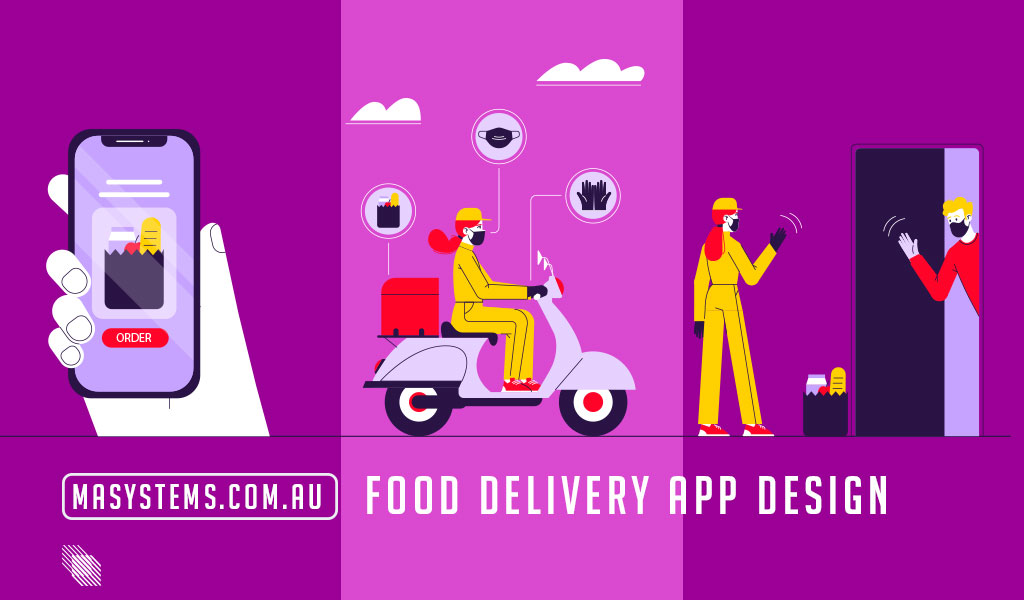
By now, you must have learned it’s hard to survive without a food delivery app if you are into the food business. It can boost your customer reach, convert one-off customers into repeat customers and even open new avenues to monetize your business.All that you need to do is to choose us as your a mobile app developmentcompany and then you are ready to go.
Not sure what to use? Don’t worry, just flick us an email at enquiries@masystems.com.au and we will assist you make the best decision! Remember our consultation service is absolutely free.
Smartphones and, more recently, tablets are increasingly becoming the computer of choice for more and more people. Mobile app developers have specialized training in design for small electronic equipment, and write computer programs for smartphones and other mobile devices.
Instead of building for a larger PC screen, these developers are dealing with extremely small Android, iPhone, or BlackBerry screens. They are experienced in multi-media applications and multiple mobile computer programming languages.
Mobile app developers typically write programs using either objective C, C++, Python, or Java. Each mobile device uses a specific programming language which app developers must understand.
Android Developers
Android is the name of the mobile operating system owned by Google. Android typically comes installed on a variety of smartphones and tablets from many manufacturers such as Samsung, Sony, and Motorola (as well as on Google’s own Nexus smartphone), giving users access to Google services such as Search, YouTube, Maps, Gmail, etc.
An android developer develops applications for use on phones and tablets that utilize the android operating system – everything from interactive games to media players, to electronic book readers and global navigation software. The code required for android development is mostly open source and available freely for anyone interested in developing apps for use with the Android OS.
It’s an exciting time to have a career in Android development. There is a healthy supply of jobs, demand for Android apps is accelerating, and technology is advancing.
iOS Developers
iOS is a shortened way of saying ‘iPhone OS’, or ‘iPhone Operating System’, and is the mobile operating system that runs on Apple’s mobile devices such as iPhones and iPads.iOS developers build software – they know how to structure it, test it, debug it, and how to use source control. iOS developers know Swift or Objective-C (and some know both languages, which is best).
They know iOS, which means they have a good grasp on build views; can handle user interaction; can display data; show alerts; handle navigation; display images, labels and text views; and integrate with REST APIs and parse JSON.
Trends come and go so frequently in the tech world that it’s hard to foresee the next big thing in technology. However, one thing that is definitely here to stay is the progressive web appphenomena.You may not have heard of them yet, but progressive web apps (PWAs) have already started making waves. So what are progressive web apps exactly?
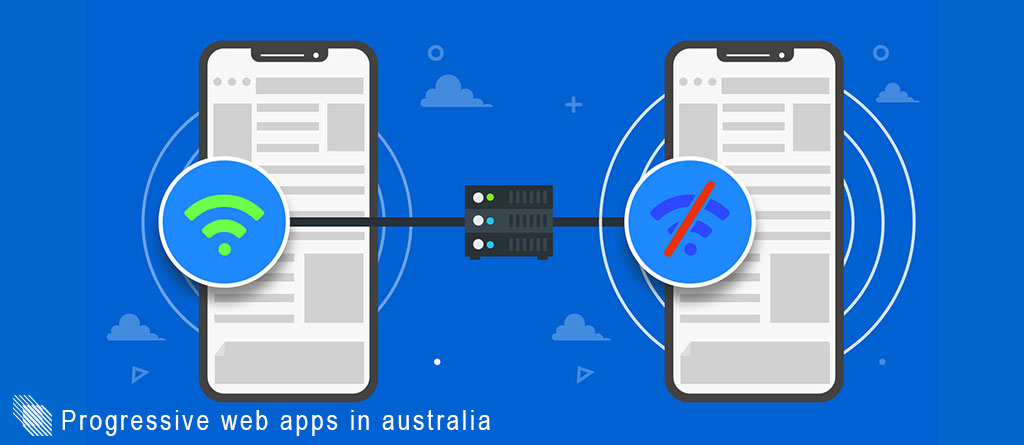
Wikipedia explains that a progressive web app is a web application that loads like a regular websites but can offer the user functionalities such as working offline, push notifications, and device hardware access traditionally available only to native applications. PWAs combine the flexibility of the web with the experience of a native application along with other best practices.They strive to deliver an unsurpassed experience for mobile users. PWAs are reliable and respond more quickly to users. Additionally, they focus on engaging mobile users with a more immersive experience than ever before.
According to Google, a progressive web app should offer the following three things:
Engagement: Apart from engaging content, a progressive web app should allow you to add the app to their home screens. It should also be able to send push notifications to users.
Speed: Speed is an important aspect of progressive web apps. They should load instantly not taking more than three seconds.
Reliability: A progressive web app should be designed to work offline and in areas of low connectivity.
What are the benefits of PWAs?
PWAs are known to offer many benefits to businesses. Let’s take a look at them:
Low data usage: PWAs don’t need too much data to run as compared to native apps. For instance, if a react native app consumes 10-15 MB data, a progressive web app will just need 500 KB or so. Also, they don’t need any significant storage on the device either.
No updates required: PWAs are similar to websites which means they are updated as being used by the user. Unlike native apps, these aren’t updated in the background. The best part is that they can be updated much quicker as no Play or App Store approval is required.
Low costs: Developing a native app for Android and iOS phones is a costly affair for businesses especially for startups. Thus PWAs come across as a wise option for businesses as they reduce the cost of development by 60-70%.
Faster speed: Speed is an essential aspect of progressive web apps making them load almost instantaneously. You can browse, shop, view things in lesser time as it would take on web browsers. Faster speed could lead to higher conversion rates means PWAs make attracting customers easier than ever.
Offline capabilities: Progressive web apps changed the game when they allowed apps to run offline. Offline capabilities allow users to access the app even in low reception areas at faster speed leading to more user engagement and higher conversion rates.
Successful examples of PWAs
Let’s take a look at some big players who switched from their native mobile applications to progressive web applications to rake in huge profits.
Twitter
Twitter is one of the most loved social media apps with over 328 million users with 80% of them accessing it on their mobile phones. That’s why, it launched its PWA in 2018. Twitter Lite is 600 KB in size whereas the native app is around 24 MB. In Twitter Lite, users get web push notifications, Add to Screen prompt, and offline access among other features.
With this, they achieved a:
65% increase in pages per session
20% reduction in bounce rates
75% increase in tweets sent
Pinterest
It took Pinterest 3 months to get their progressive web app ready. The major reason for this switch was that only 1% of their visitors converted to signups.
With this, they achieved:
60% better engagement
Page load time reduced from 23s to 5.6s
44% increase in user-generated ad revenue
Starbucks
It was in 2017 when Starbucks launched its PWA with beautiful graphics and smooth animation. The best part was that users could easily get any information and even customize their order offline as well.
With this, they achieved:
Twice the number of active users
Light-weight app needing just 233 KB of data storage
Flipkart
When India’s largest e-commerce website wanted to provide more seamless experience to users, Flipkart Lite came into being. The PWA requires just 100 KB of data storage which is 300 times smaller than its iOS application.
With this, they achieved:
70% increase in conversions
40% higher engagement
Users spent 3x more time on Flipkart Lite
Trivago
Trivago is a hotel search engine that helps users to find the best deal as per the hotel’s information, pictures, ratings, reviews, and other features. So when the mobile experience caught some fire, it realized the need to introduce its progressive app.
With this, they achieved:
150% increase in engagement
97% increase in clickouts to hotel offers
67% users continue browsing the site when they came online
Lancome
Since launching its PWA, Lancome, a famous cosmetic brand has experienced an upward spiral of profits.
With this, they achieved:
50% increase in the overall speed
17% more conversions
51% increase in mobile sessions
Mobile sales have gone up by 16% year over year
Uber
Uber was in dire need of an application that could be used by anyone regardless of device and network speed. That’s how it came up with its progressive web app that came with its native app in terms of functionalities but came at a significantly lighter weight.
With this, they achieved:
An app that is only 50 KB in size
Super fast speed even on 2G networks
Forbes
Forbes is the latest entrant to join the progressive web app bandwagon. It launched its PWA to re-brand their entire mobile experience.
With this, they achieved:
load-time reducing from 3 seconds to 12 seconds to now 0.8 seconds
100% increase in content engagement
Twice increase in average user session length
43% increase in session per user
20% more impressions
The future of PWAs
PWA is the future of mobile apps that promise better drive revenue, increased user engagement while staying ahead of the competition.At ma systems, our team has experts who have experience in developing native apps, hybrid apps, and progressive web apps. Before we begin progressive web app development, we understand our clients’ business needs as well as their budget and app strategy, based on which we recommend the best framework for developing their app.
Have you got an idea that could other people having better life? Give us a call at enquiries@masystems.com.au.
We are keen to assist you making our world a better place to live!
Shopping app development is gaining popularity day by day. No wonder, after all, according to Visa, in 2017 almost half of the consumers have opted for online purchases in the New Year season, and a third of these purchases were made through mobile devices.
Over the past year, smartphone users have spent 52% more time to buy various products via trading applications (compared to last year). And this indicator is going to grow even more, as US m-commerce forecast shows. So, it’s high time to think about how to create an online shopping app and make it profitable and successful.
Flurry Analytics Experts have found that demand for applications for purchases is increasing at an incredible rate, and more than a quarter of shoppers start searching for the product they need in the application right away, without even visiting a website first.
You can say that applications are becoming a kind of “middle way” between online and offline shopping. They allow customers to learn about current offers and discounts, make purchases online or determine the best time to go to the store.So, owners of online (and real) stores can and should build a shopping app, that is – offer their clients one more tool for buying goods and services.
Types of stores for mobile commerce
Usually, online shopping applications are selling such good as:
clothes
cosmetics
products and beverages, especially exclusive ones
sporting goods
medications
kitchen appliances
housewares
computer hardware and home appliances of any kind
Although this is a very short list, obviously you can expand it with any other kinds of goods or services.In fact, it does not matter what you sell, in any case, you can think about how to create a mobile shopping app.But before moving on to the heart of the matter, let’s see if the game is worth the candle.
Why is the app for shopping so efficient?
As you’ve already understood, today a significant percentage of users regularly make purchases through mobile devices. Therefore, shopping app development will bring you:
Increased sales and growth of the audience. Shopping applications are created primarily to improve the sales curve. Special built-in marketing features allow increasing the number of customers very quickly.
Customer loyalty. If you create a shopping app, you will get an additional competitive advantage. Your typical customer definitely has a smartphone, and he is actively using it. So, by offering to install a mobile app, you make the life of your clients easier and better. In addition, you can take advantage of information about user behavior in your app so that you will be able to provide a customer with individual bonuses, discounts, recommendations. All this leads to rising the loyalty factor.
New sales. If you find out how to make an app like Amazon (or a better one), then the clients will undoubtedly appreciate all the benefits of mobile collaboration with you. And the first successful purchase will lead to the second, third, and, in the end, turn the casual buyer into a regular customer.
Expansion of interaction with the client. The chance of leaving a review, getting an invitation to an event, being the first one to know about the arrival of a new product is something that your customer will like and enjoy. So mobile shopping service will help you to engage the audience in much closer interaction.
Optimization of internal business processes. Besides, you should build a shopping app to manage your company more efficiently (and at a lower cost). Believe us, if there is an application at hand, the task of managing and controlling becomes so much easier.
Successful applications for m-commerce are constantly supporting the desire of users to search for products and make purchases at any time and in any place. Studying the audience behavior, the stores stimulate curiosity and interest of their customers, prompting them to open the app again and again.
Still in doubt, whether you should order online shopping app development? Well, we are ready to argue our position even more strongly.
Again, reasons to create a shopping app…
There are 4 main arguments that will convince retailers to find out how to make an app like Amazon, and get the cherished places on the AppStore and Google Play:
According to Google study, more than 80% of online mobile purchases are triggered by the spontaneous impulse. And such an impulse is a powerful stimulus that influences all areas of our life including this one.
Your customers love mobile applications because these services make shopping more interesting, easier and more interactive.
Shopping app development is a service available almost to everyone. Many small companies mistakenly believe that only the largest corporations can make a shopping app. In fact, the cost of the app creation is quite comparable to the cost of developing a perfectly good website. However, we will discuss the price issue later.
Your competitors are also on their guard. After all, you are not the only one who knows about the demand for mobile applications.
Perhaps, the competition issue should be considered in more detail. In the end, it’s useful to know your enemy.
Shopping app features
To build a shopping app that users will like and enjoy, you need to know what they expect from mobile services in the retail sector. The following statistics give some idea about this issue.
Many believe that the mobile application must necessarily be as creative as possible. Of course, uniqueness is always important, but the usability is a much more significant factor. And this usability is provided by the correct functionality of the application.
There are several “classic” features that you can take advantage of during online shopping app development.
User registration
Undoubtedly, this is really a “must-have” feature. Be sure to give the user the opportunity to sign up in various ways: through a phone number, social networks, email…
A helpful tip: let the customer, if desired, make a purchase without registration, this will expand your audience. To persuade a person to become a registered user, try to give convincing reasons (for example, a system of bonuses and discounts).
Catalog
You cannot make a shopping app without this feature which goes second on the list of importance (the first one is registration).
There are two types of people: some come to the store for choice, others look for something specific. To meet the needs of both, you need to create a searchable catalog. This catalog should colorfully present the whole range of your products and provide the possibility to find the goods according to the given characteristics (for instance, color, size, collection).
Purchase online
It is impossible to create a shopping app without allowing users to buy online. But, doing so, don’t forget to take into account the specifics of your business niche.
For example, sometimes it is important to see the product before buying it, so if you have goods delivery points, your application must include a map of their location. In addition, in the shopping app development process, try to make a purchase system as simple (for a user) as possible. Otherwise, why should a customer download your mobile service?
In particular, you can simplify the purchase process by binding a bank card to the application: the shopper selects the goods, clicks the “Buy” button and confirms the purchase with the code.
However, this approach has its own pitfalls: cases of fraud, alas, are not uncommon, and people don’t trust their data to mobile devices. Therefore, it is worthwhile to seriously consider security issue and develop a reliable authorization system.
A shopping basket
Of course, you cannot build a shopping app and forget about implementing this feature. What should a shopping basket be like? Here are its important characteristics:
an intuitive interface (do not force the user to think about what exactly he should do to place an order or add goods);
the ability to add and remove items to the basket;
calculation of purchase price.
Search bar
How to make an app like Amazon?… first of all, follow the example of this popular service and offer a convenient search for the desired product, with a filtration and sorting system.
Wishlist
Not all stores sell online, but this does not mean that they should abandon shopping app development. In this case, you can provide such a feature as Wishlist, its purpose is to shorten the customer service time by facilitating the buyer’s choice.
The mobile app can serve as a user assistant in the selection of goods, allow creating lists of desired purchases (so-called wishlists) and making pre-orders. Then the client should go to your store and pick up his order without the hassle. This simplifies the customer service and thus saves time both for clients and your staff.
System of recommendations
If you want to know how to make an app like Amazon, this feature is just what you need. As we have already explained to you, the Amazon application has won the sympathy of users, among other things, thanks to the system of recommended purchases.
The principle is simple: by analyzing the user’s behavior, you can understand his needs and suggest a product that can interest him – something that he is likely to buy. For example, you can offer products similar to those ones that he has already bought or viewed.
Customer Support
If you want to build a shopping app that will attract users, you need to think about bonuses for them. There are heaps of ideas of the sort: layaway programs, the chance to ask a question to the consultant, leave feedback, get a discount, etc.
And you can think over a special loyalty system for the users of the application – for example, a good discount for those who order products through your mobile service.
Online Chat
This feature will allow a potential buyer to ask you a question online, any time he wants. This is beneficial to both parties of the shopping process since many customers prefer to communicate with online consultants instead of dealing with real ones.
To implement this features during online shopping app development, you can use the chatbot system. This means that the questions will be answered by the program (at least initially, and your manager can join the conversation later if there is such a need). This is convenient because a number of clients use applications during off-hours when managers are usually no longer available.
Scanning codes
This feature allows using barcode scanning to find out prices and information about products. The user won’t have to spend time on asking sellers or searching for help.
Search for the nearest store
If you decided to create a shopping app, then you want to make the purchase process much easier for customers. In that case, the feature that allows finding the nearest outlet is necessary – of course, if you have the chain store system.
Instructions and useful materials
This feature is especially important if you are selling complex or specific products. Then the mobile application becomes, among other things, a kind of manual.
Push Notifications
It’s not enough to make a shopping app. Moreover, it is not enough to convince the user to install it… it is also important to remind him of your mobile store from time to time. Notifications serve this purpose quite well.
However, to make sure that these reminders aren’t distracting the users’ attention from your services, you need to notify only about important marketing promotions, discounts, and activities on interests (for example, an exhibition of new products, etc.).
Interactive Elements
Even if the main purpose of this mobile service is to stimulate demand and build a sales channel, it is quite possible to supplement the online shopping app development with interactive elements.
For example, appreciate our interactive version of the product presentation:
This shopping animation conceptis bright and simple at the same time, right?
Shipping system
Of course, you can create a shopping app where the customer will be asked to make pre-order and pick up the goods in the store itself. This is useful in cases when the product should be preliminarily studied, examined in detail. However, it is much more reasonable to provide a reliable shipping system. A good option is to establish cooperation with one of the many third-party delivery services.
Customer Feedback
Reading negative reviews is unpleasant, but it helps to fix the situation and solve the problem that your buyer might have experienced. As statistics show the implementation of this feedback feature increases sales by 15-20%.
How to create a mobile shopping app?
We hope we convinced you, and you decided to build a shopping app. What are your actions then (apart from finding the right experts)?
Market analysis and collection of requirements
It is unreasonable to begin the process of shopping app development without analyzing the demand and supply rate. In other words, you need to conduct market research.
Objectives:
your competitors (not only world-scale but also local ones): who they are and what they offer;
consumers’ expectations. What user problems can you solve if you create a shopping app?
Features Set
Understanding the market requirements, you can figure out what your application should be like, what you can offer the consumer. Based on this information, you must compile a list of the features of your mobile store.
Specifications & prototype
This stage of online shopping app development implies the coordination of your requirements with an expert company. It is important to make up a technical project and create the prototype which includes the wireframes of each app screen.
Application Design
If you come up with how to create an online shopping app that is visually appealing, you can assume that you’ve made a first step to the future incomes.The successful design for the shopping app includes a stylish logo, a user-friendly basket and a brightly illustrated catalog of products.And it is very important that your application be as easy to use as possible. The fewer actions required for ordering, the better.
For example, take a look at the design examples for shopping applications that our UI/UX experts have developed:This shopping app design concept is very informative and appealing.And this design idea is just perfect for e-commerce purposes. Actually, as well as the following one:
The right choice of the platform
To make a shopping app of the highest quality, you need to choose the right application platform. So, it is necessary to understand which audience you are targeting at and what is the level of your ambitions.
The audience is the owners of iPhones and iPads. Firstly, these are people who value brand image, and sometimes they are even ready to buy an expensive device on credit. Secondly, these are wealthy individuals who attach importance to the status and security of data, as well as to good quality.
The rules for publishing applications in the App Store are tougher than in Google Play. It takes a lot of time and effort before the application is available for users.
If you want to build a shopping app for self-confident people who are striving to make a strong impression on others, then choose the iOS platform.
Mobile devices on the Android operating system are being produced by a large number of companies: Samsung, Lenovo, Sony, LG, Philips, Asus, Huawei… The price range for these smartphones is wide, from the cheapest ones to the most expensive models.
It can not be said that Android is a budget device. But at the same time, if you need to reach an audience with medium and low incomes, then Android should be on your list necessarily.
The main difficulty of shopping app development for Android is its advantage, namely – a wide range of mobile devices. This means that you need more time to test the application and modify it.
If you want to create a shopping app for people of average income who are less prone to fashion trends, the Android platform is what you are looking for.Together, iOS and Android cover about 90% of mobile device users. And this implies that the best option is to make a shopping app for both platforms.If your goal is also to attract fans of Windows Phone (the former Nokia), then in addition to the two popular platforms, order the online shopping app development for Windows.
Shopping app development and testing
Of course, this is the key point of the whole process. And now you definitely can not do without the help of professional experts.
Suppose you decided to build a shopping app for all platforms… what should you do next?
It all depends on your budget. Shopping app development can be carried out in parallel or in two or three stages, that is, for each platform separately. Choose the audience that is the most loyal and profitable for you, and start with a platform that is close to these people (for example, Android). Then, when time and money allow, create a shopping app for iOS.
This option stretches the overall online shopping app development time, but it brings closer the release date of the first application version.
And, of course, you should not forget about testing your mobile service. Some people who are willing to make a shopping app want to save at this stage, which is certainly a mistake. Such an approach can lead to the fact that your application will fail, and instead of the QA engineer, the user will find a malfunction… And this will have a bad effect on the user experience.
Launching the app and publishing on the App Store and Google Play
This is the final stage of the shopping app development process, but it is also very important. First, the application must fully meet all the requirements of AppStore and Google Play. Secondly, you need to make sure that your service somehow stands out among its like. An attractive logo and skillful description of the benefits of your mobile store will help achieve your goal.
Arguably, mobile app developers are the heart of web app development companies. The work they do is both challenging and taxing. They use programming languages and development skills to create, test and develop mobile applications. Not just their hands and mind are always busy but they also need to keep their focus intact all the time.
That is why, I have made a list of the 10 best tools for mobile app developers to work faster, easier, and more efficiently. You can use these tools whether you work solo or with a team – in-house or remote. I hope you find the peace of mind that you’re looking for and stay organized with the following tools.
Xamarin is the most preferred mobile app development tool for native applications. It enables you to use the existing data access and business logic layers across different platforms. The tool can be used for developing all kinds of apps for all major mobile platforms including iOS, Android, and Windows.
Features:
C# programming language with .NET language infrastructure
Allows communication with the API of mobile devices
Xamarin Component Store includes UI controls, cross-platform libraries, and third-party libraries
mobile app developer with Appcelerator
As the name suggests, the tool helps you accelerate the app development process enabling you to create apps with fewer lines of code. This app development tool supports iOS, Android, Windows, and browser-based HTML5 applications.
Features:
Applies the universal concept of “write once, use anywhere”
The quickest way to build app prototypes
ArrowDB, its data store lets you deploy data models without hassles
mobile app developer PhoneGap
PhoneGap is an open-source free to use mobile app development tool used for developing a single app that works on all mobile devices. It integrates various libraries with existing functions and code enhancing the entire app development process and making it faster.
Features:
Works well on JavaScript, HTML5,and CSS3
Comes with a plug-in architecture to increase its functionality
Code reusability across iOS, Android, Windows Phone, BlackBerry, Firefox OS
mobile app developer with Sencha
Sencha is a favorite online tool of many developers for designing, developing and testing enterprise mobile applications. It comes packed with 115+ high-performance, pre-tested, and integrated UI components to give multiple options to choose from and work with.
Features:
Lets you code in HTML5 format using Sencha touch software development kit
Includes calendar, grids, charts, and more.
Supports Android, iOS, BlackBerry, Windows Phone, and more
mobile app developer withMobile Roadie
Mobile Roadie is a popular custom app development tool that makes it easy for developers to create and manage their apps for Android and iOS platforms.
Features:
Lets you send geo-targeted push notifications, set up geo-fences, create custom interactive maps
Deeply integrated user community features
Includes features such as auto-updating fan wall, auto-importing of RSS, and Google News or Twitter keywords integration
mobile app developer with AppMachine
AppMachine is a highly efficient app development tool that enables people to build web apps as well as native apps for iOS, Android, and Windows Mobile platforms. It comes with a user-friendly app builder and multilingual interface.
Features:
Comes in a four-column layout with an options panel on the top
Gives a preview of the app in different platforms in real-time
Easy to use
mobile app developer with Good Barber
The name might be a little quirky but its features are on point. Good Barber is a popular native app builder tool that uses the latest app development technologies to create robust and highly functional apps.
Features:
Lets you create an app without actually coding
Offers features like authentication, beacons, geofencing, service worker, etc
Easy integration with Google Play and App Store
The app creation process is translated into 28 languages from beginning to end
mobile app developer with The AppBuilder
The App Builder is a flexible suite of Enterprise Application Development specializing in corporate employee mobile apps and enterprise mobile app platforms. The best part is that you don’t need to possess technical skills to create a robust app on this tool, it’s super-easy to use.
Features:
Comes with an online toolkit along with a training module
Lets you segment your audience by location, job function, project or any criteria you need
Allows you to update your app’s structure, content and linked services anytime – even after the app has gone live
mobile app developer with Kony AppPlatform
It is a low-code platform for omni-channel app development. Mobile app developers prefer it over other tools as it accelerates development, shortens testing, simplifies changes, streamlines support and reduces maintenance.
Features:
No code to full code development
The single code base for omni-channel output
Robust HA/DR and performance SLAs
mobile app developer with LongRange
LongRange is a native mobile app development tool that lets you write once and deploy to Apple, Android, and Windows devices easily.
Features:
Build native mobile apps using only RPG/ CL with DDS
Utilize mobile device features like GPS, camera, audio, SMS, etc.
Automatically push app updates into the mobile devices
Not sure what to use? Don’t worry, just flick us an email at enquiries@masystems.com.au and we will assist you make the best decision! Remember our consultation service is absolutely free.
Mobile app development :now that you have decided to build an app for your business, you need to make some calls. The biggest decision to be made is to choose the operating system on which the app will be made.Is it going to be the Google Play Store or Apple App Store?Definitely not an easy choice.If Google’s Android has the lion’s share in the market with 2.3 Billion users (as of 2018), then Apple’s iOS platform offers high monetization prospects as compared to Android.
Since not every company has a budget to simultaneously develop for both platforms, the most common question our company is often asked is:
The matter of the fact is that both these platforms come with their own set of pros and cons. Some important factors worth considering are like target audience, desired app features, revenue goal, project timeline, maintenance budget among others.In this post, I have outlined the key differences between Android vs iOS to help you get a clear idea about which one to choose.
Different coding language
iOS and Android, both the platforms require completely different skill sets in terms of the programming languages used. Java is currently one of the most popular programming languages used for building Android apps followed by Kotlin.
On the other hand, iOS apps require Objective C or Swift for Native development. The streamlined language and robust error checking system enable developers to build apps faster.
Global market share
It’s a big deal to define your end goal with what your app aims to achieve and the audience you would like to target for your product. As per a StatCounter study, Android held a global market share of 72.3% as of November 2018, while iOS had a 24.4% market share.
Demography wise, iOS users are largely from North America and Western Europe belonging to the higher stratum of society with more income and better education. On the other hand, most Android users reside in developing countries with relatively lower incomes and 18-34 age bracket.
Note: If you’re looking to build an app (shopping, food delivery, dating) for the younger population, then you should probably focus on Android app development.
Design principles
For all those who have used both Android and iOS apps can tell how different these apps are in terms of design and feel. Whether it’s Android app development or iOS app development, the design is going to be visually different which further has a crucial role to play in the app development process.
Whichsoever platform you decide to go with, make sure to take a close look at Android and iOS design guidelines and understand the differences between each platform’s unique design patterns.
Development complexity
The level of complexity involved in Android app development is much higher than iOS app development. It is primarily because of the many types of devices, smartphones, and tablets. Plus, there are differences in screen sizes, aspect ratios and operating systems too.
iOS app development is less complicated because Apple has a fewer number of devices – iPhone, iPad, and iPod. This reduces the process time for an iOS app by 30-40% as compared to an Android app.
Costs
The total app development costs aren’t that easy to be estimated as it depends on a list of features and characteristics along with the total time taken to develop the mobile app. As discussed in the above point, Android apps are complicated to develop, they might have higher development costs.
Apart from paying your outsourced development team, be mindful of the cost differences that incur while uploading your app in the app stores. While the Apple App Store charges a fee of $99 per year, Google Play has a one-time fee of $25 to upload your app to Google Play.
Wrapping up
Choosing the right platform for your app is NOT as easy as it seems to be. It depends on a myriad of factors such as budget, the scope of the app, user demographics, and everything discussed above. Take all of them into account when creating your mobile app. Above all, I highly recommend you to work with qualified experts that can help you make your application successful.
masystems is a reputed mobile app development and design company that builds on-demand apps for both iOS and Android. Our team digs deep to help our clients to make the right decision between Android vs iOS after evaluating their needs, the scope of the app, and the available budget.
In nutshell
Choose Android for a wider audience
Choose iOS for a higher revenue per user
Choose Android for smaller wait time to get the app to the Store
Choose iOS for better user experience
Choose Android for better customization
Choose iOS for tight security and privacy
In MA Systems Australia, we will assist you select the best platform to kick off your great idea. We ensure your app is developed within your budget and to the best quality. You will be surprised by our prices against the level of services we provide.
In the last few years, the concept of cross-platform mobile app development has taken off massively and for all the right reasons. If facts are to be believed then the cross-platform app market crossed the mark of $7.5 billion in 2018.The best thing about cross-platform development is how it allows developers to write the code once and employ it across all major platforms – Android, iOS or Windows. Wait, other benefits include:
Code reusability
Reduced costs
Quicker development time
Easier implementation and adoption
It’s hard to not address the elephant in the room while talking about cross-mobile app development. Yes, I am referring to the never-ending debate on Flutter vs React Native. Honestly, Flutter and React Native are both popular mobile app development frameworks but choosing one over the other is going to depend on many factors.
So we decided to make things easier for you and perform a detailed comparison of Flutter and React Native and leave it to you. Without much ado, let’s compare Flutter and React Native on various factors.
Programming Language
Mobile app development in Flutter is done with Dart which is relatively a new-age language. So developers have to learn Dart to make mobile apps in Flutter. However, it is easier for developers to pick up Dart if they have a background in Java, C++, or JavaScript.On the other hand, mobile app development in React Native is mainly done in Javascript using React. As Javascript is already quite popular in development circles, it is easier to find developers who can build apps in React Native.
Verdict: As Javascript is more popular and easier to learn than Dart, React Native is the clear winner here.
Creators
Flutter is an open-source framework developed by Google to create mobile apps using a single codebase for both Android and iOS. It was first introduced to the world at Google I/O Conference in 2017.It is believed that React Native was developed by a software engineer at Facebook named Jordan Walke and is now backed by Facebook which made it open-source in 2015.
Verdict: Both Facebook and Google are mega tech giants investing heavily in Javascript and Dart and are doing a fairly good job at backing it.
APPLICATION DEVELOP IN AUSTRALIA
Development
React Native uses components from its library for mobile app development. A virtual DOM is used to communicate and interact with native UI elements. The number of widgets is limited but more adaptive as compared to Flutter. React Native takes less time to develop cross-platform apps and adds much more to the user interface.
Flutter, on the other hand, uses widgets as its building blocks and has a large number of ready-to-use widgets. However, widgets aren’t as adaptive as they are in React Native. It is also less fussy to get started with and can be easily set up.
Verdict: React Native takes lesser development time as compared to Flutter.
Performance
Flutter does not use native components but rather creates its widgets and makes use of the GPU to render apps on the screen. The Dart code is compiled to native ARM code. Further, CPU runs it directly reducing the app built time expeditely.
Whereas React Native uses the Javascript bridge to connect and interpret native components. It further invokes Objective-C APIs for rendering components on the screen. This often ends up making React Native apps less performance-driven and slower.
Verdict: Flutter is faster than React Native.
Documentation
Documentation in React Native is general and understandable. It includes and explains all the basic topics, guides, and modules but many developers find documentation in React Native somewhat disorganized.
Flutter’s documentation is thorough and more user-friendly. Whether you’re experienced or just starting out, you can find almost everything you need in Flutter.
Verdict: In terms of information and accessibility, Flutter takes the lead from React Native.
Industry adoption & Popular apps
React Native has been in this industry since 2015, due to which it is an already established platform with massive community support. Owing to its popularity, Facebook, Instagram, Uber Eats, Tesla, Skype, Walmart uses React Native for their mobile applications.
On the other hand, Flutter was introduced in 2017 but many successful apps such as Alibaba, AppTree, Google Ads, Tencent are developed in Flutter.Verdict: React Native turns out to be more popular than Flutter because of its stronghold and community.
Our experienced programmers atMA Systems Australia ensure that the best approach is taken for your project. You don’t need to be an expert in programming to start an app, just give us a call and you will be amazed how quick, easy and cost effective you can convert your idea into an app!
 Types of fitness apps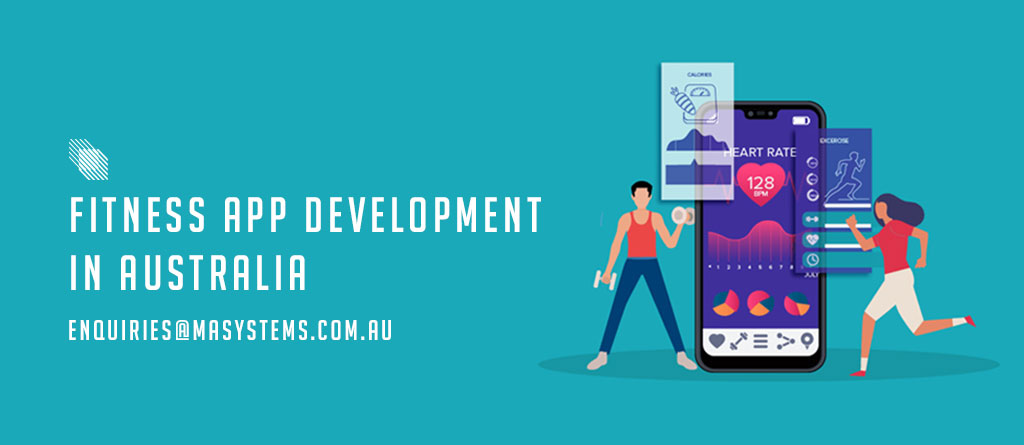
 What is Kotlin?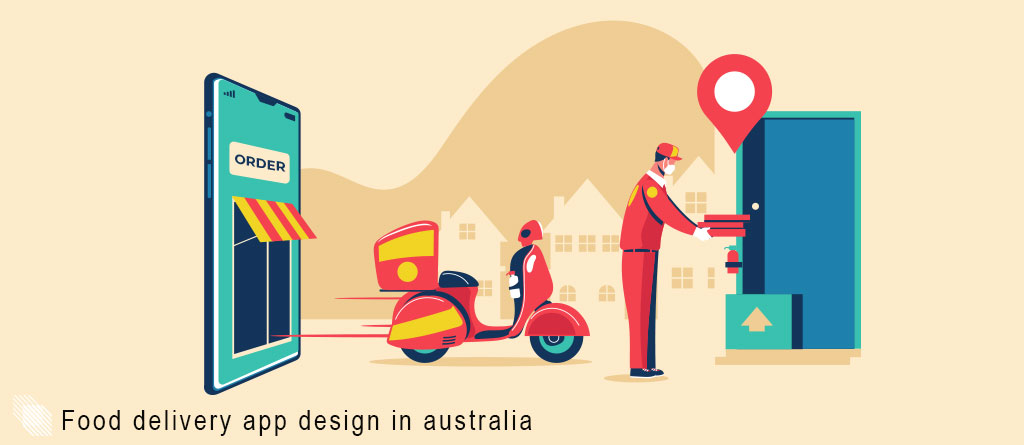
 Conclusion